By California RV Specialists
One of the biggest misconceptions we hear from RV owners is:
“My RV is only a few years old, so I shouldn’t have to worry about the roof.”
Unfortunately, that’s simply not how RV roof systems work.
Whether you own a Grand Design, Alliance, Brinkley, Forest River, Keystone, Jayco, Winnebago, Airstream, or any other RV, your roof is constantly exposed to some of the harshest environmental conditions imaginable. Every day it expands, contracts, vibrates, flexes, and endures UV exposure, rain, wind, dirt, road debris, and temperature changes.
The reality is simple:
Every RV roof requires routine inspection and maintenance.
It isn’t a matter of if your roof sealant will need attention—it’s when.
Understanding RV Roof Sealant
The lap sealant you see around roof vents, skylights, plumbing vents, antennas, moldings, ladder mounts, air conditioners, and other roof components is designed to do one very important job:
Keep water outside your RV.
Unlike residential roofing materials, RV roof sealants are specifically engineered to remain flexible.
As your RV travels down the road, the roof continually twists and flexes. Add changing temperatures—from freezing winter mornings to 120°F roof temperatures during the summer—and the sealant must constantly expand and contract without breaking its seal.
That flexibility is what protects your RV from water intrusion.
Why RV Roof Sealants Eventually Fail
No roof sealant lasts forever.
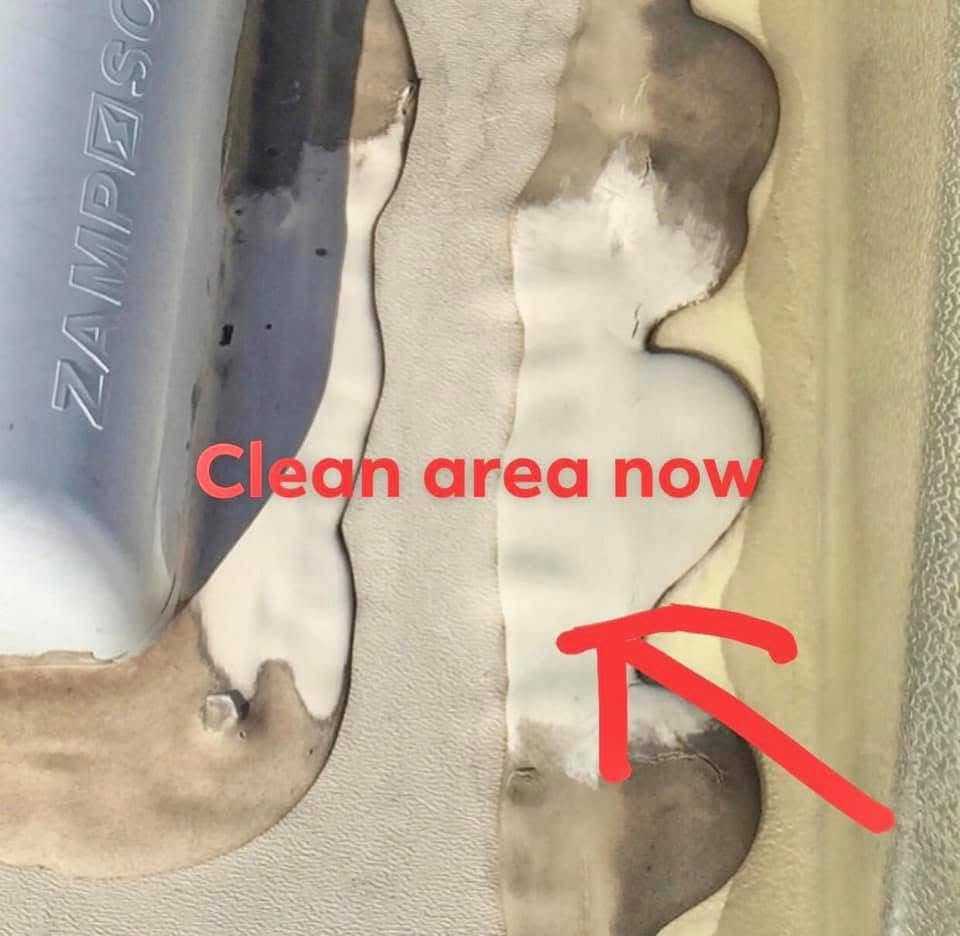
Most RV lap sealants contain oils and plasticizers that help keep the material soft and flexible.
As your RV sits in the sun, those oils slowly migrate toward the surface of the sealant.
Dust, dirt, pollen, tree sap, road grime, and airborne contaminants stick to the sealant. Over time, these contaminants continue pulling those oils away from the material.
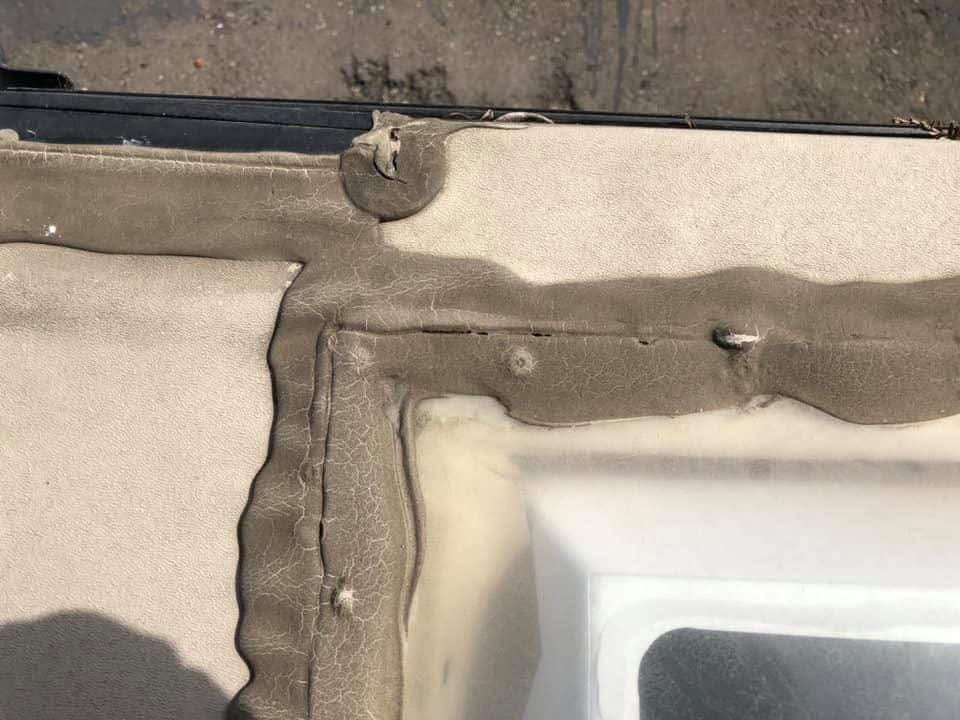
Eventually the sealant begins to:
- Dry out
- Shrink
- Harden
- Crack
- Separate from the roof
- Lift around edges
- Lose its waterproof seal
This aging process happens gradually—not overnight.
Washing Your Roof Isn’t Enough
Many owners wash their RV roof once or twice a year and assume everything is fine.
Cleaning is important.
Inspection is even more important.
When you wash your roof, take the extra time to carefully clean around the lap sealant itself.
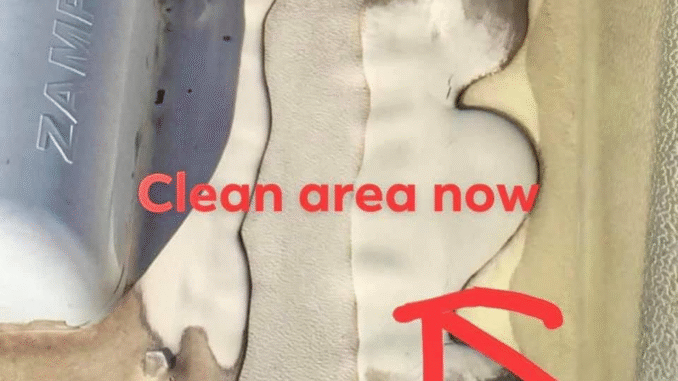
Removing dirt buildup allows you to actually inspect the sealant instead of looking at years of accumulated debris.
Look for signs such as:
- Cracks
- Shrinkage
- Separation
- Loose edges
- Air pockets
- Missing sealant
- Open gaps
- Areas pulling away from fixtures
Catching these problems early is one of the least expensive forms of RV maintenance.
Most Roof Leaks Start Small
One of the biggest misconceptions we hear is:
“My RV just started leaking.”
In reality, most roof leaks have been developing for months—or even years.
Water intrusion usually begins as a tiny opening that slowly allows moisture underneath the sealant.
Over time that moisture works its way into plywood, insulation, framing, wall structures, ceilings, cabinetry, and flooring.
By the time water appears inside the RV, significant hidden damage may already exist.
The Secondary Seal Most Owners Never See
Many RV owners assume the lap sealant they see on the roof is the only waterproof barrier.
It isn’t.
Underneath many roof-mounted components is a secondary seal.
Depending on the manufacturer, this may consist of:
- Butyl tape
- Putty tape
- Non-sag sealant
- Foam gasket
- Rubber gasket
- Other sealing materials
If water has already worked past the outer lap sealant, simply applying more sealant over the top may not solve the problem.
In many cases the roof component should be removed so the underlying seal can be inspected and replaced if necessary.
This is one reason professional roof inspections can prevent much larger repairs later.
Common Causes of Roof Sealant Failure
Roof sealant can fail for many reasons, including:
- Normal aging
- Lack of routine maintenance
- UV exposure
- Improper installation
- Manufacturing variations
- Impact damage
- Road vibration
- Normal flexing while traveling
- Previous repair work
- Weather exposure
Not every roof leak is the result of poor workmanship or a manufacturing defect.
Many are simply the result of years of normal wear.
Roof Damage Comes From More Than Tree Branches
Many owners only think about tree limbs when considering roof damage.
In our experience, we’ve also seen damage caused by:
- Birds
- Rodents
- Squirrels
- Hail
- High winds
- Crosswinds while traveling
- Falling pine cones
- Tree sap
- Fireworks
- Wind-blown debris
- Ash and abrasive dust from events such as Burning Man
- People walking on the roof improperly
- Low-hanging obstacles
- Satellite installations
- Solar installations
- Aftermarket accessories
Even something as simple as dropping a tool while working on your roof can damage roofing materials.
How Often Should You Inspect Your RV Roof?
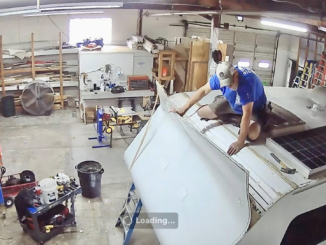
Many RV manufacturers now recommend inspecting the roof and sealants after every trip.
While not every inspection needs to be lengthy, getting onto the roof regularly allows you to catch problems before they become expensive repairs.
A basic inspection only takes a few minutes.
Those few minutes could save thousands of dollars.
Before Blaming the Manufacturer…
When a roof leak occurs, it’s natural to wonder whether the manufacturer, dealership, or repair facility is responsible.
Sometimes they are.
Sometimes they’re not.
Before assuming the worst, ask yourself one question:
When was the last time you climbed onto your roof, cleaned it thoroughly, and carefully inspected every seam and roof penetration?
Routine maintenance is part of RV ownership.
Just like changing engine oil, servicing wheel bearings, or checking tire pressure, roof maintenance helps protect your investment.
Prevention Costs Less Than Reconstruction
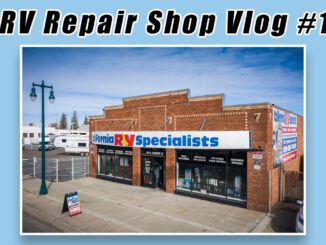
Since opening our doors in 2003, California RV Specialists has helped approximately 1,200 to 1,500 RV owners every year.
Over the years we’ve inspected, repaired, resealed, and replaced thousands of RV roofs.
One thing has remained remarkably consistent:
The vast majority of major water damage started as a very small issue that simply went unnoticed for too long.
Routine roof inspections and timely sealant maintenance are far less expensive than replacing roof decking, repairing wall structures, rebuilding slide-outs, or repairing interior water damage.
A little preventive maintenance today can help prevent thousands of dollars in repairs tomorrow.
Need Your RV Roof Inspected?
If you’re concerned about the condition of your RV roof, California RV Specialists can help.
Our experienced technicians inspect RV roof systems for signs of aging, water intrusion, structural damage, sealant failure, and hidden issues before they become major repairs.
Whether you need a routine inspection, roof reseal, leak diagnosis, structural repair, or complete roof replacement, our team has been helping RV owners protect their investment since 2003.
California RV Specialists
200 S. Cherokee Lane
Lodi, CA 95240
Phone: 209-263-7040
Website: www.calrvspecialists.com
Serving RV owners with professional repairs and inspections since 2003.