By California RV Specialists | Dustin Simpson
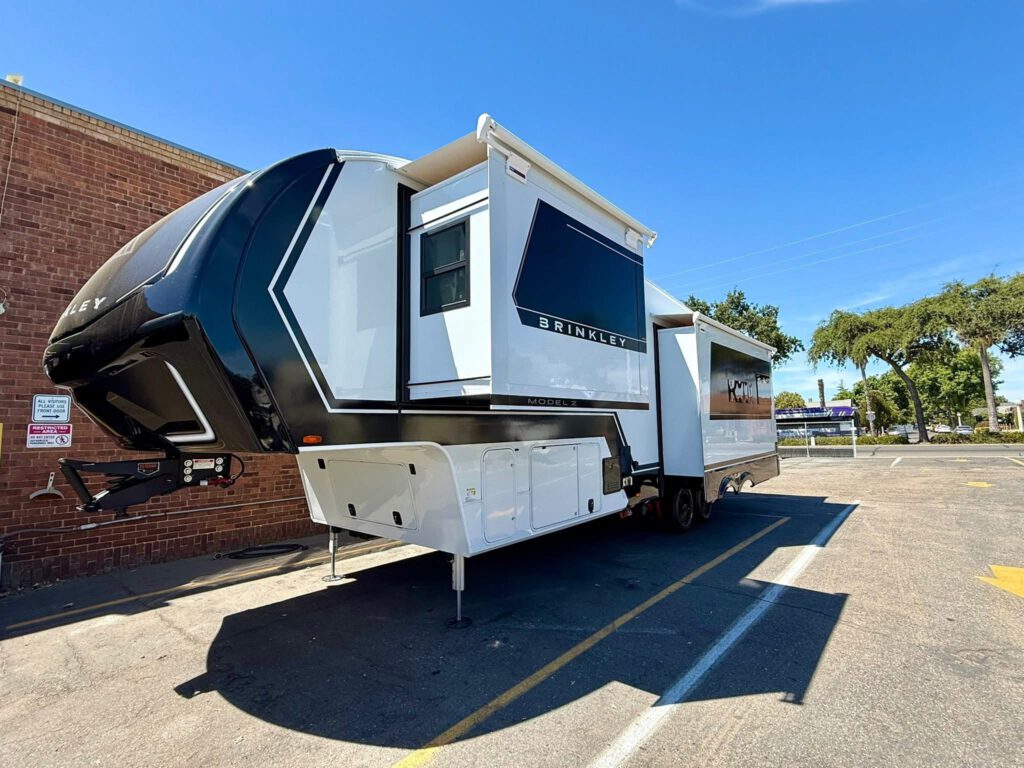
If you own a Brinkley RV—or are considering purchasing one—understanding potential water intrusion points is critical to protecting your investment. While Brinkley RVs are widely recognized for their modern design, construction quality, and innovation, real-world use conditions have revealed specific areas where water leaks can develop over time.
At California RV Specialists, we have inspected multiple units with water intrusion concerns, and we’ve also seen similar reports shared throughout owner communities, forums, and social groups.
This article is designed to help Brinkley owners understand where leaks can occur, why they happen, and how to prevent long-term damage.
What’s Different About Brinkley RV Construction?
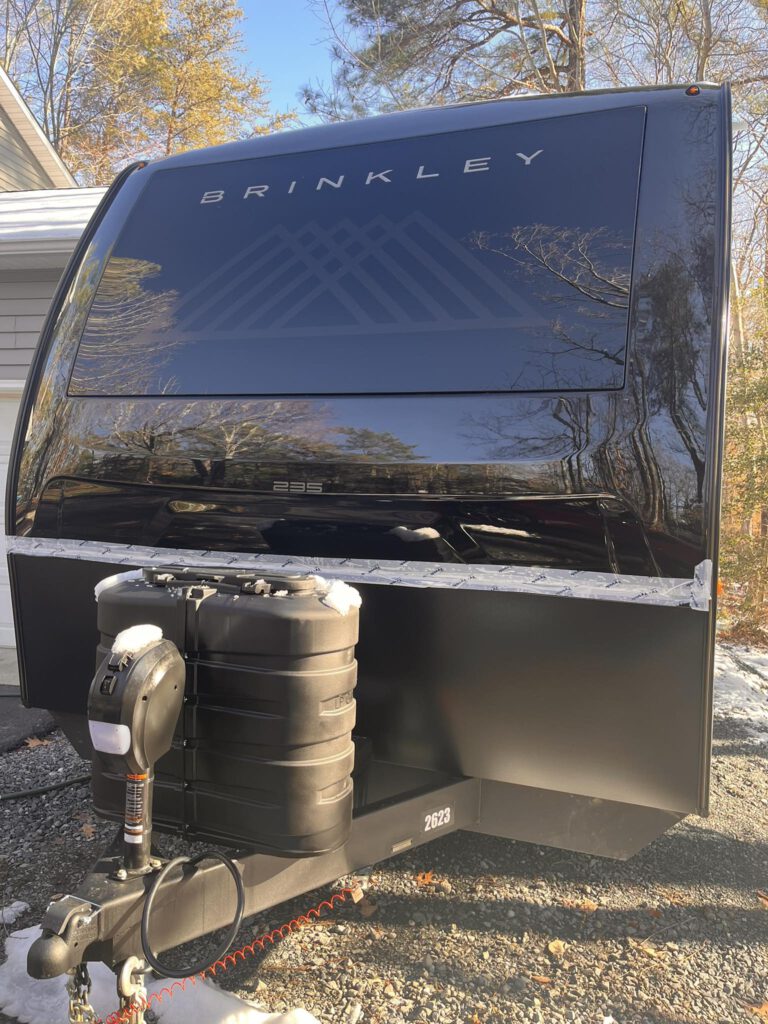
Some newer Brinkley RV models utilize a more automotive-style sealing system rather than traditional exposed exterior sealants.
This can include:
- Hidden adhesive-based sealing systems
- Putty and compression sealing behind moldings
- Reduced visible exterior caulking lines
While this design improves appearance and reduces visible sealant lines, it also changes how water protection works over time.
Instead of relying on visible maintenance points, many sealing areas are hidden behind trim and structural components.
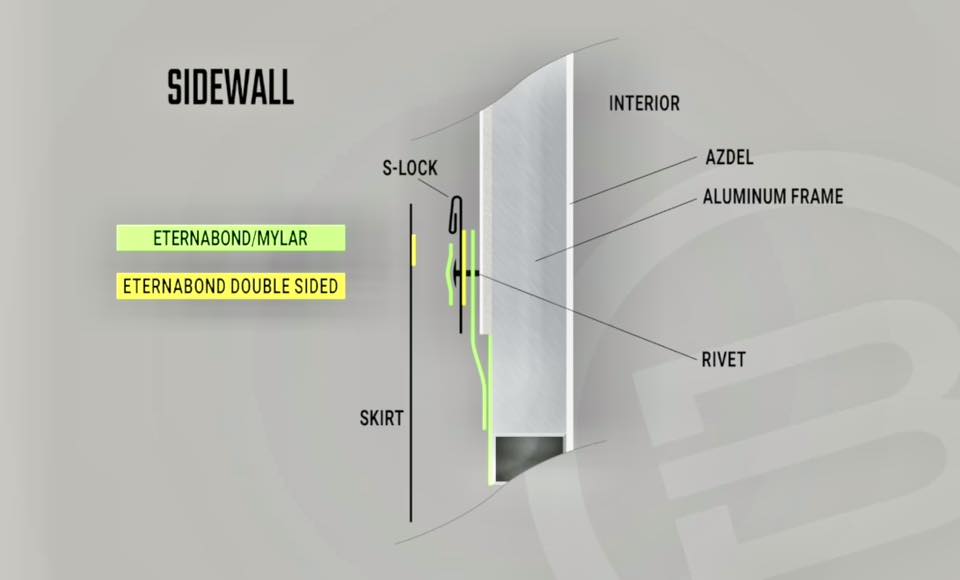
Key Water Leak Vulnerabilities in Brinkley RVs
1. Slide-Out Leaks
Slide-outs are one of the most common areas of concern.
Potential issues include:
- Water entering through top slide areas
- Missing or misaligned end caps on slide tracks
- Worn or unconditioned wiper seals
- Fascia pressure affecting drainage trays
Some Model Z and Model G fifth wheels (VIN ranges reported by owners and service data) have shown potential for water intrusion under the bedroom slide-out area.
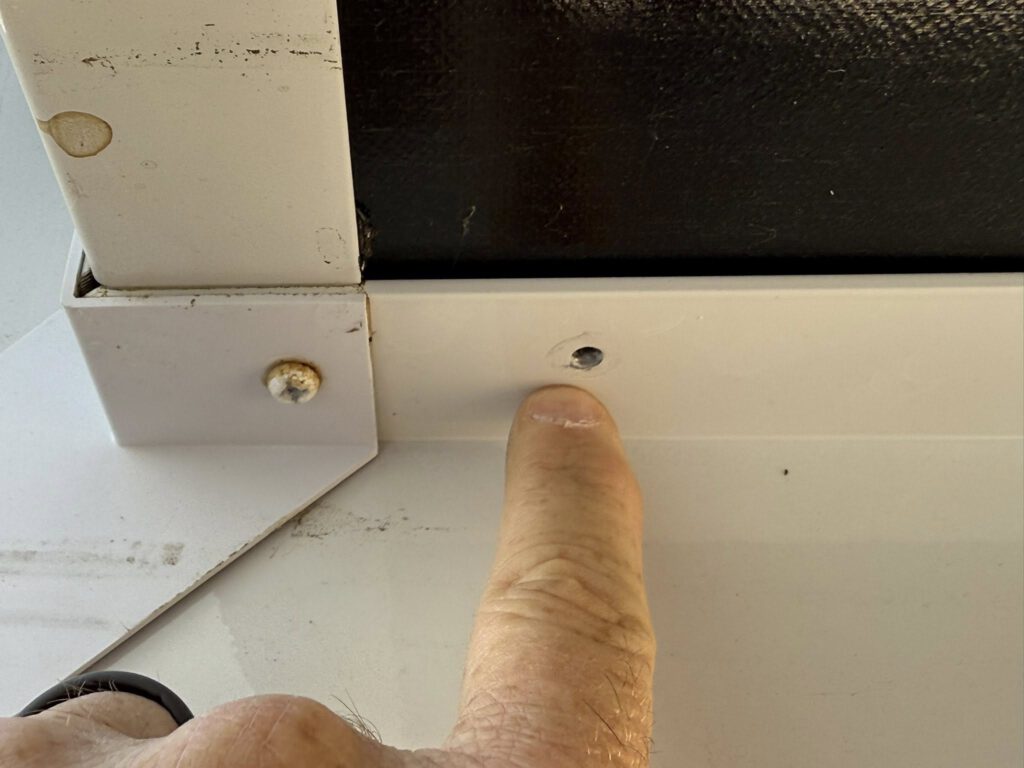
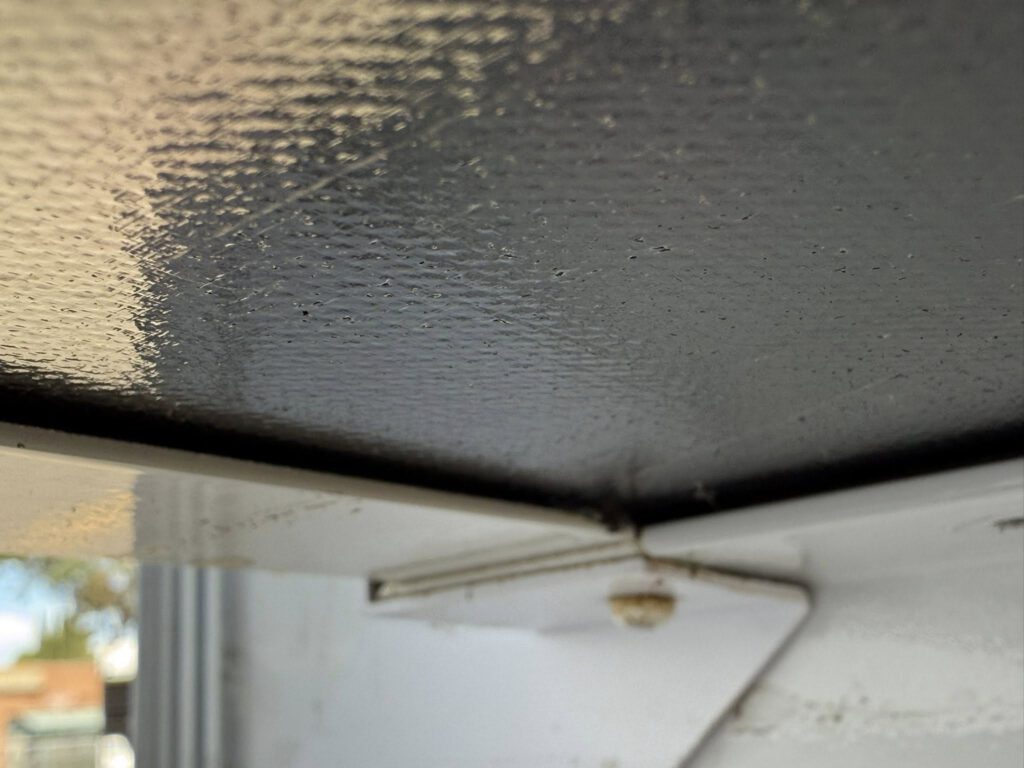
2. Bedroom Slide-Out Intrusion
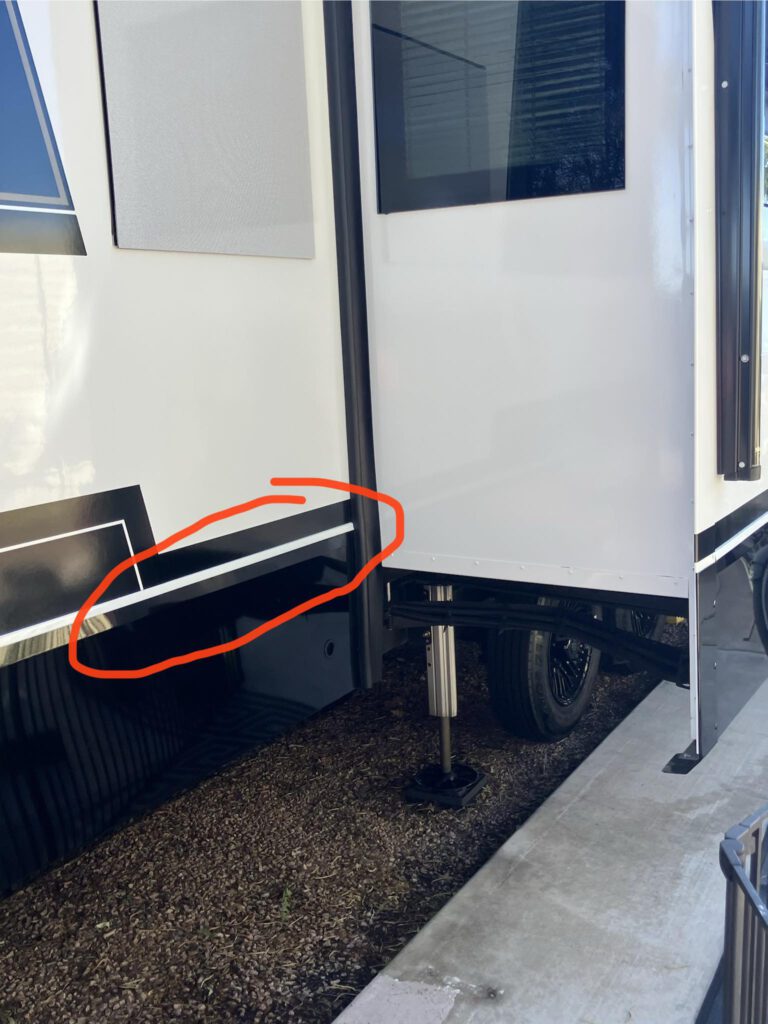
Reports and service observations have identified possible water entry beneath the bedroom slide-out in certain units.
Contributing factors may include:
- Slide-out fascia pressure against drainage trays
- Seal alignment inconsistencies
- Road vibration shifting components over time
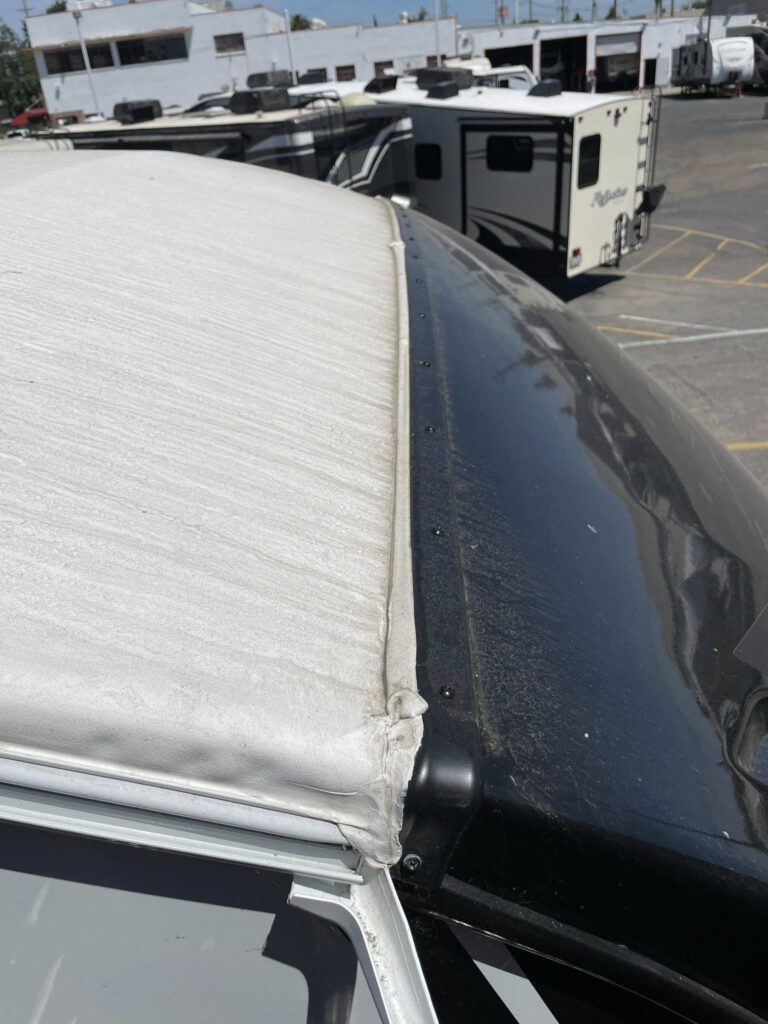
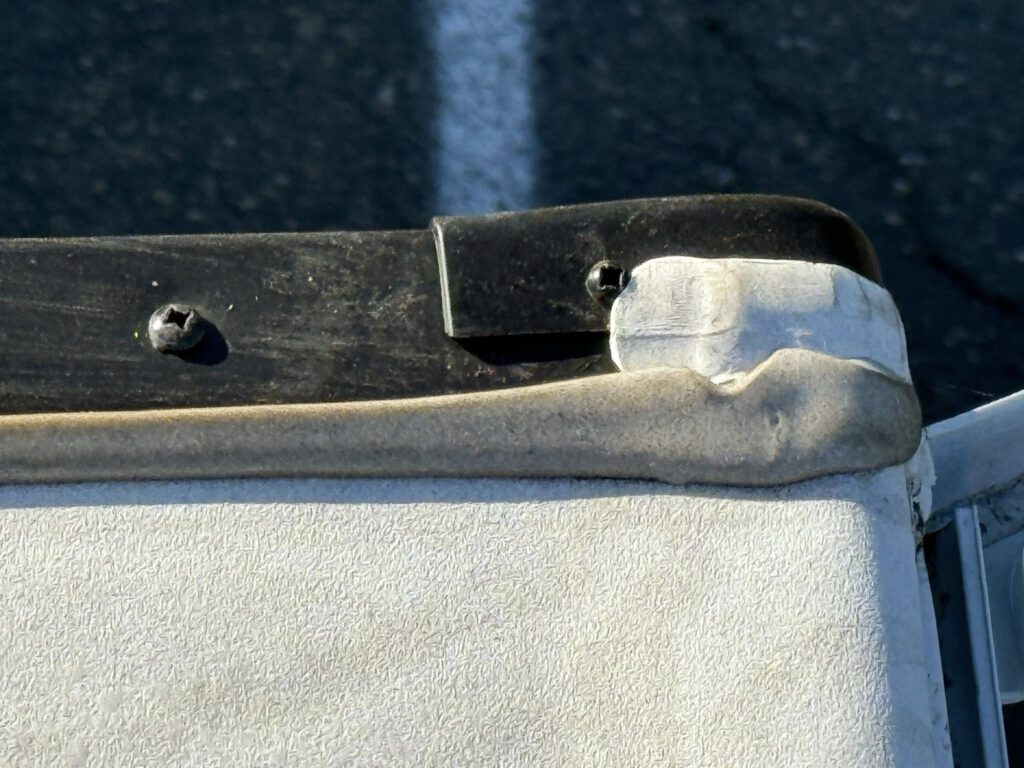
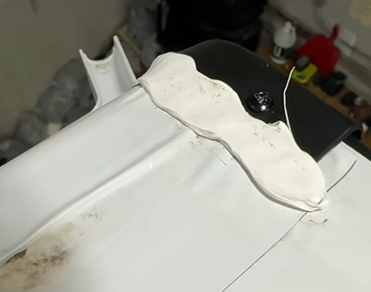
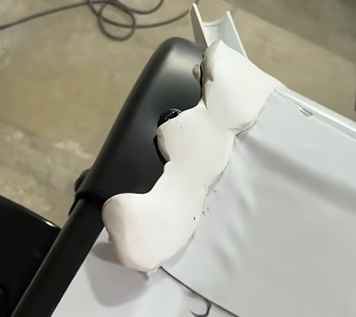
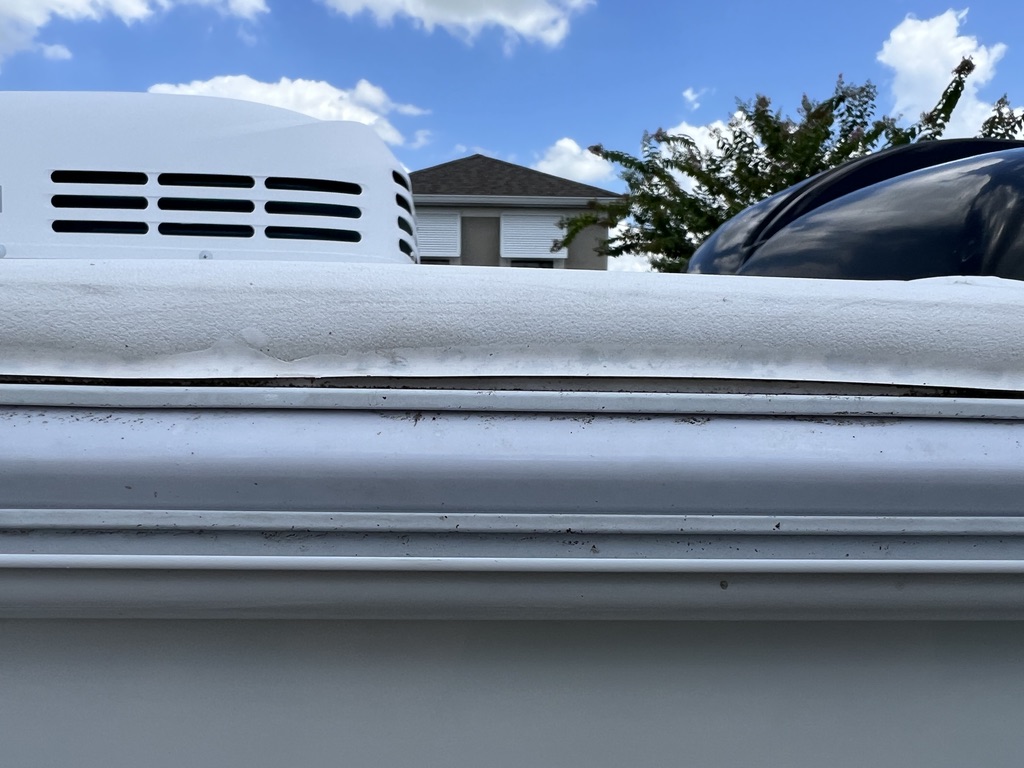
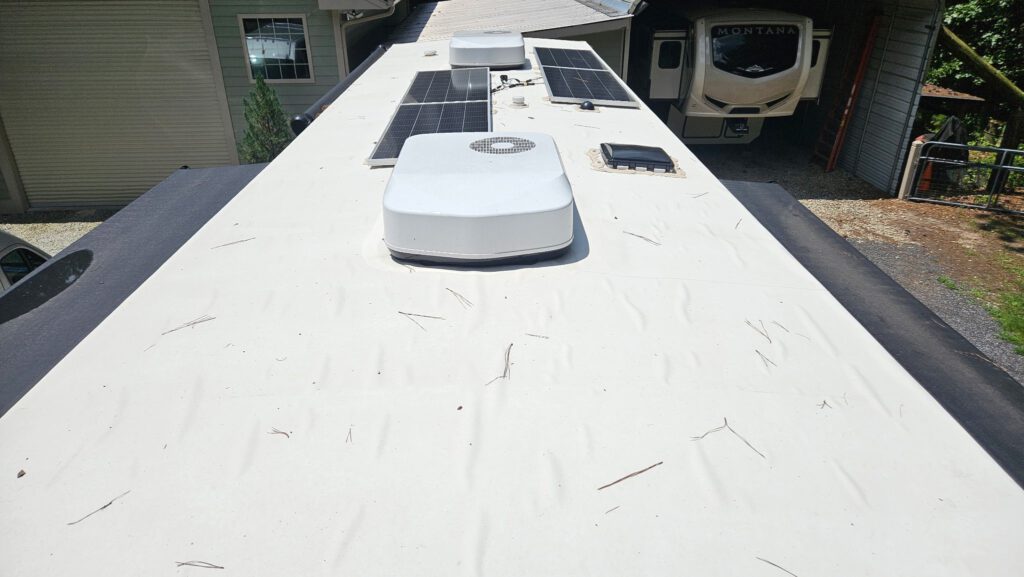
3. Roof Seal & Material Concerns
Roof systems can develop issues such as:
- Inconsistent sealant application
- Bubbles or wrinkles in roof material
- Seal separation near edges or transitions
- Rear cap screw sealing inconsistencies
Even minor imperfections can allow moisture intrusion over time.
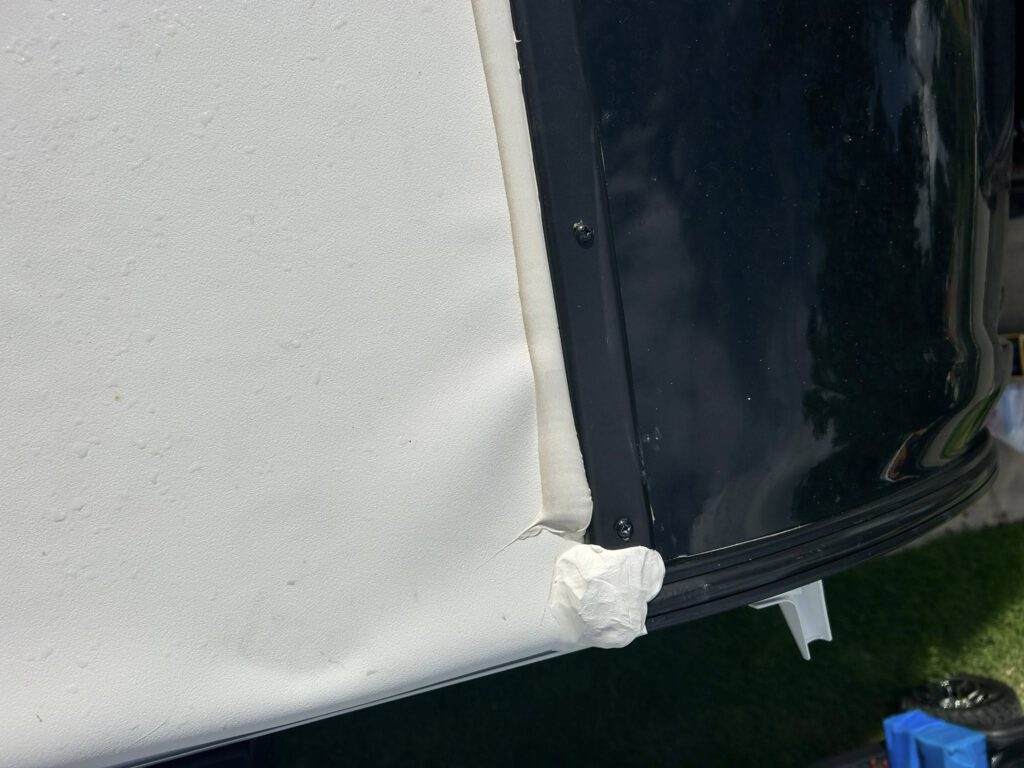
4. Trim, Moldings & Exterior Seams
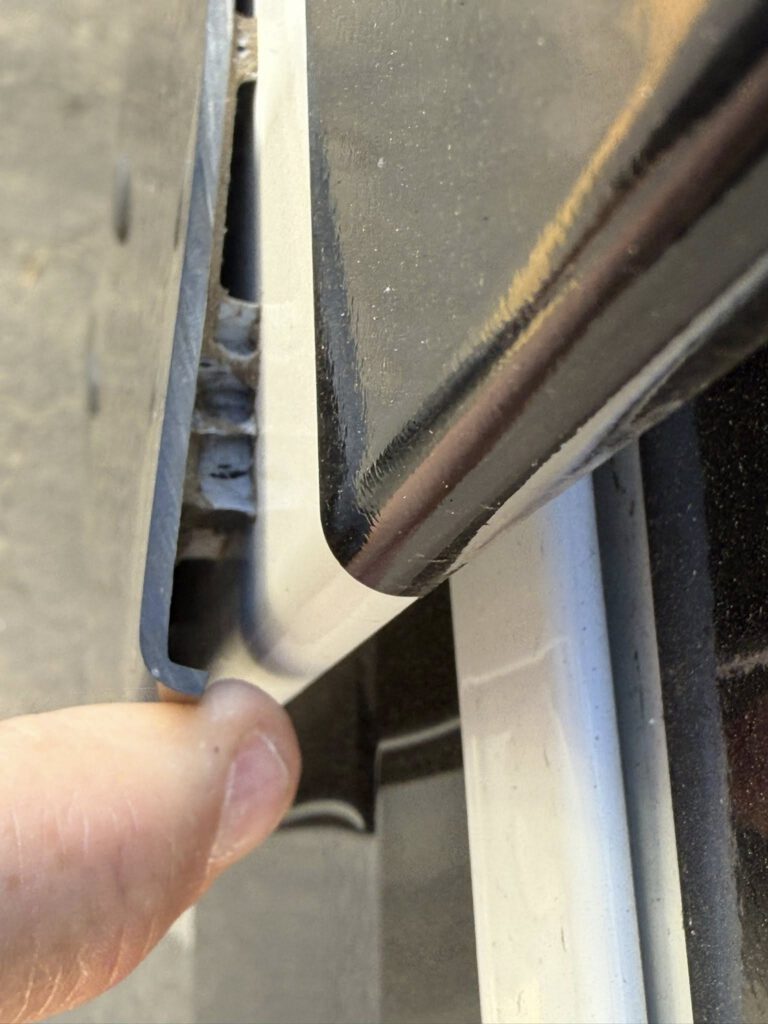
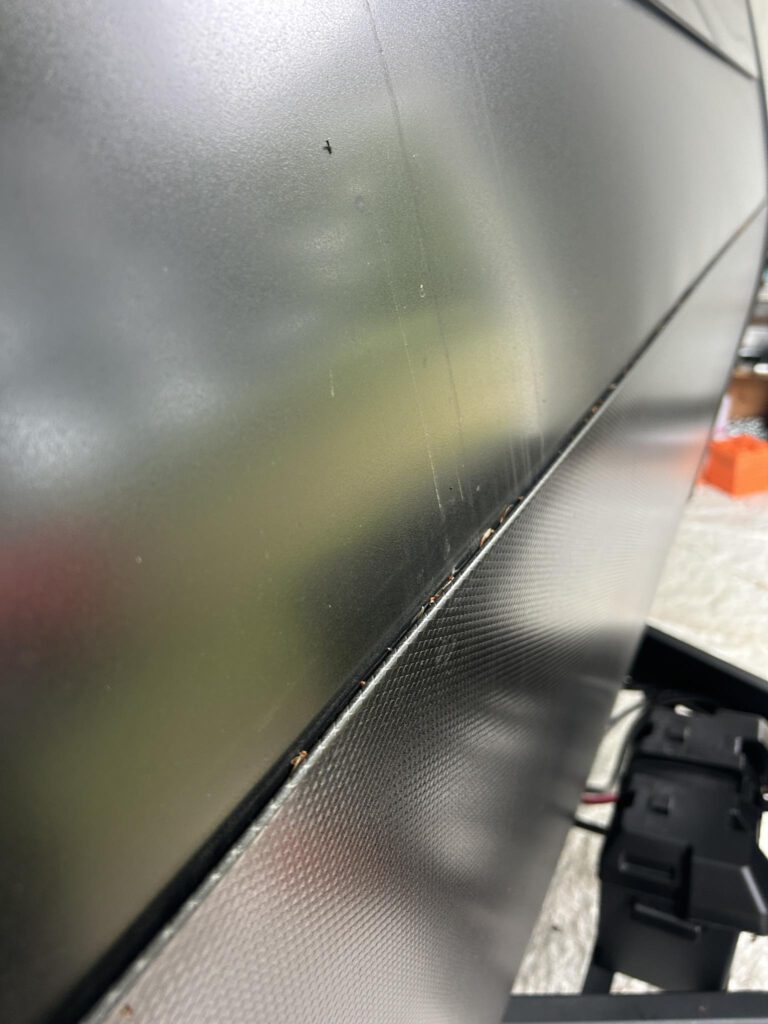
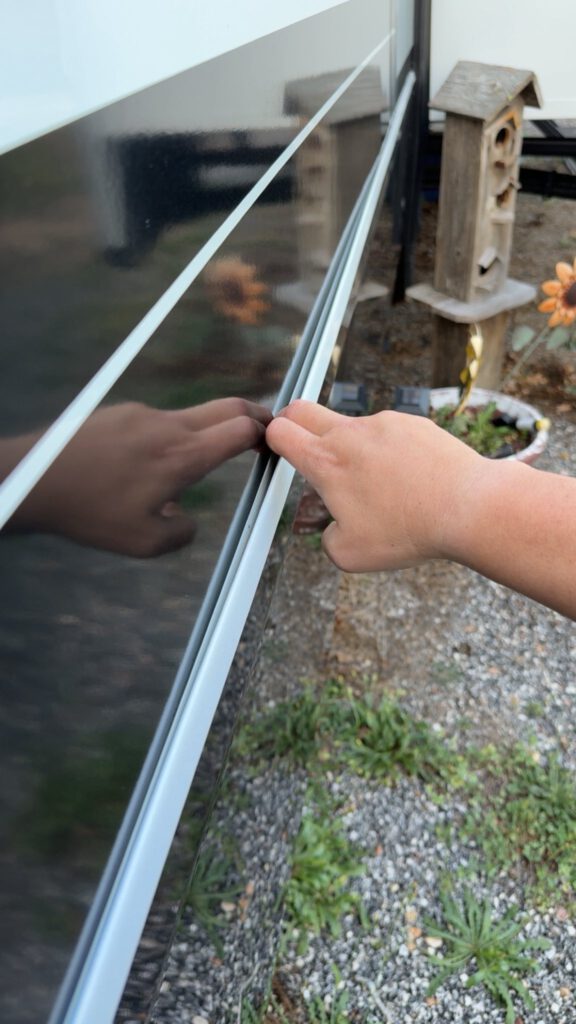
Exterior trim areas are another common entry point.
Watch for:
- Gaps in corner moldings
- Screw holes without adequate sealing
- Movement from road vibration loosening putty or adhesive
- Sealant separation along side moldings
These areas are constantly exposed to wind pressure and flex during travel.
5. Cargo & Compartment Doors
Storage compartments can allow water entry through:
- Door catch and striker screw holes
- Poor sealing around compartment frames
- Gaps where doors meet S-lock trim
- Unsealed fastener points
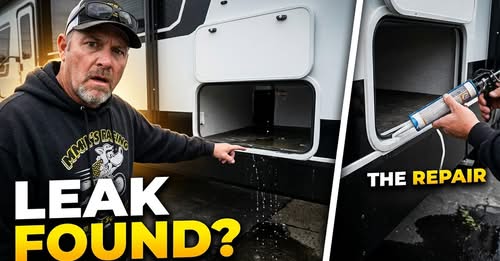
Water intrusion here can lead to rust and hidden structural damage.
6. Shower & Interior Plumbing Areas
Common interior leak sources include:
- Missing sealant at shower door tracks
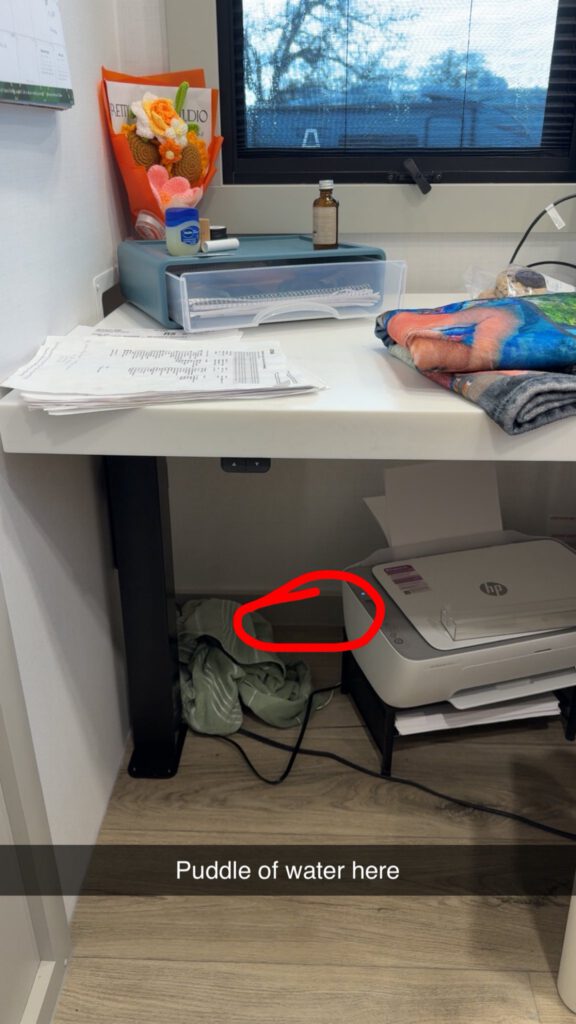
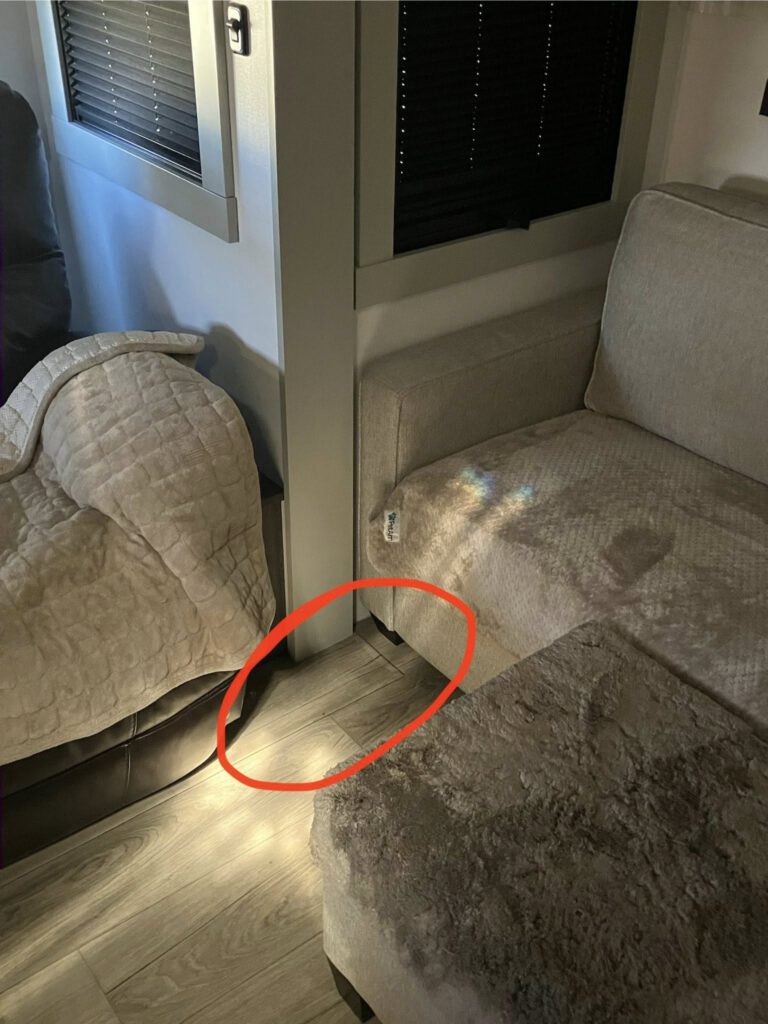
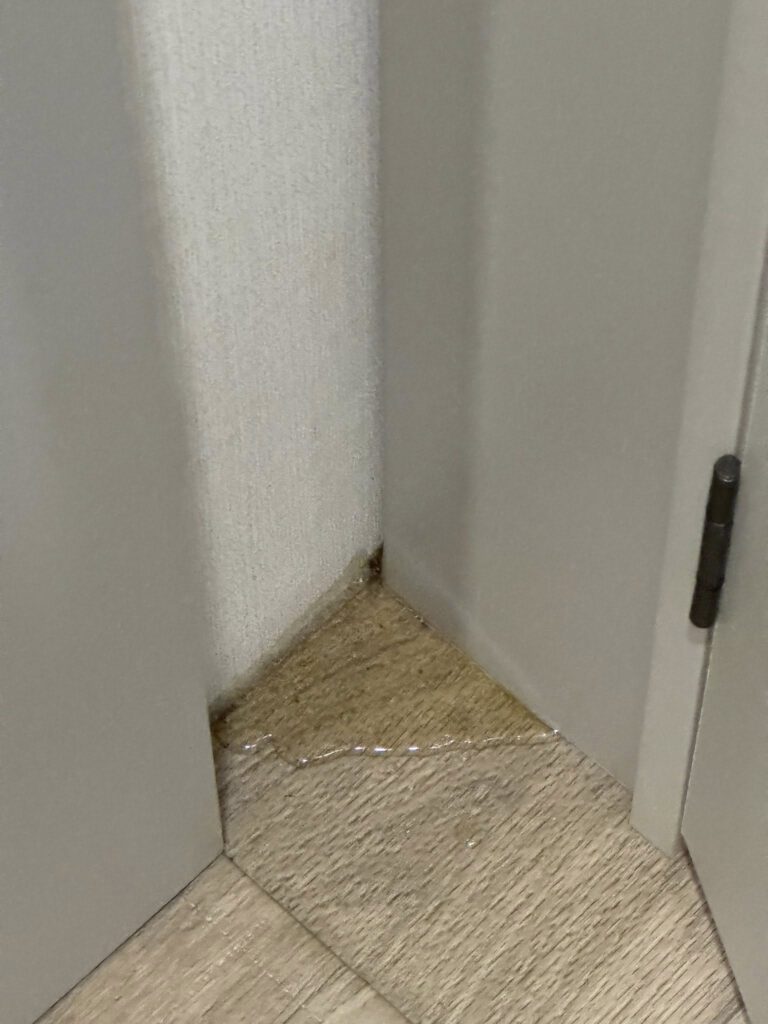
- Water pooling under cabinets
- Loose plumbing fittings from vibration
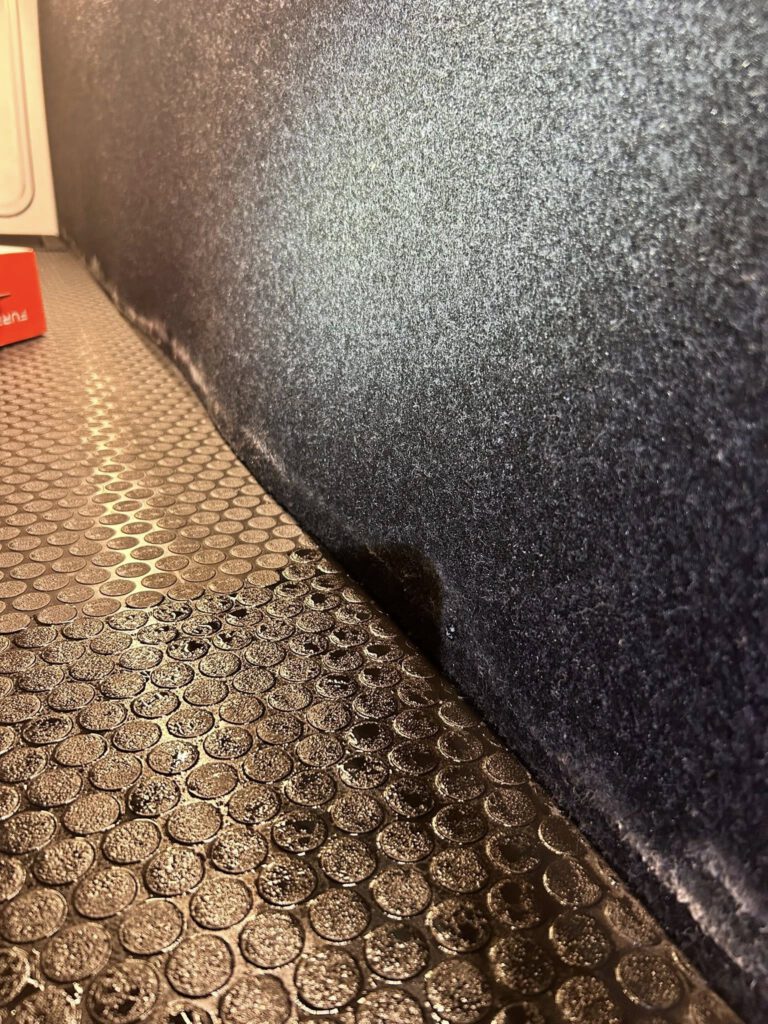
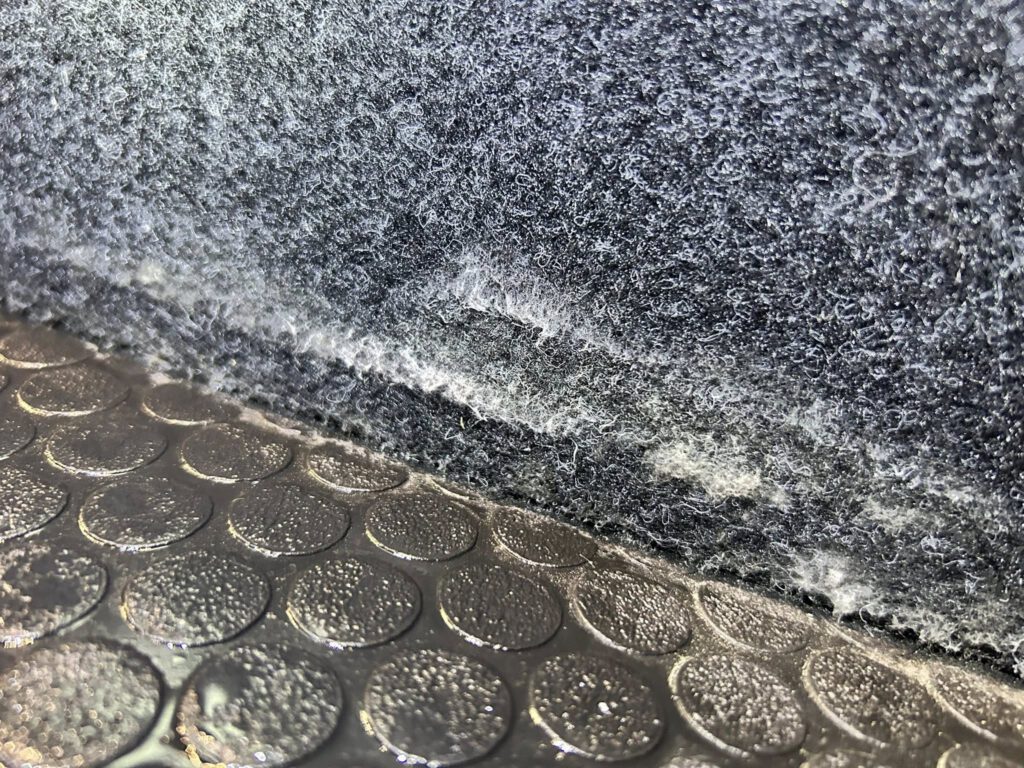
- Hidden moisture under flooring or walls
7. Exterior Lighting & Cap Seams
We have also seen reports of:
- Adhesive failure around front cap lights
- Moisture intrusion at fiberglass-to-metal seams
- Seal breakdown around exterior fixtures
Why Water Leaks Develop: The Real Cause
It’s important to understand that water intrusion is rarely caused by a single issue.
In most cases, contributing factors include:
- Road vibration over time
- Frame flex during towing
- Rough roads, potholes, and driveway transitions
- Normal structural movement of large RVs
- Sealant aging and adhesive fatigue
Even high-end RVs experience these stresses during real-world use.
Prevention & Maintenance Tips for Brinkley Owners
Perform Regular Exterior Inspections
Every 3–4 months, inspect:
- Roof seams
- Slide-out seals
- Moldings and trim
- Window and door frames
- Exterior lighting and compartments
Use Preventative Seal Protection
Applying controlled exterior sealant in key areas can help create a secondary barrier system, especially around:
- Moldings
- Screw points
- High-flex seams
- Slide-out edges
Consider Professional Water Deflection Service
Many owners choose a preventative reseal approach to add protection beyond factory sealing systems.
At California RV Specialists (Lodi, CA), we offer professional inspection and reseal services designed to:
- Reinforce exterior seams
- Address vulnerable intrusion points
- Extend long-term protection for active RV use
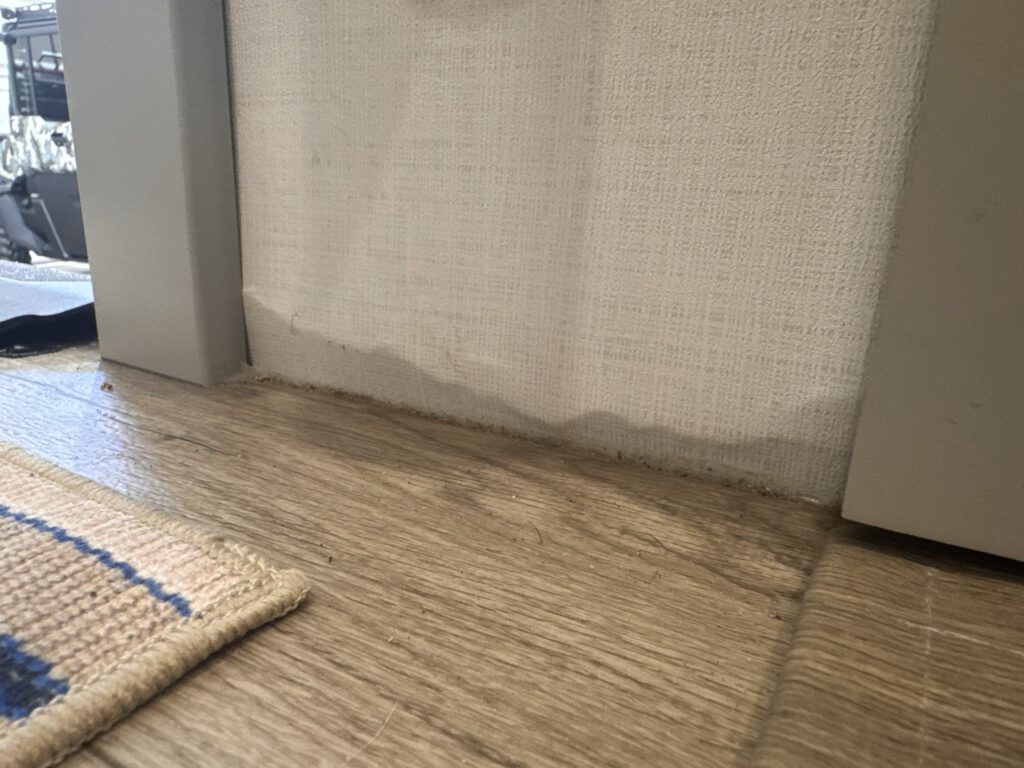
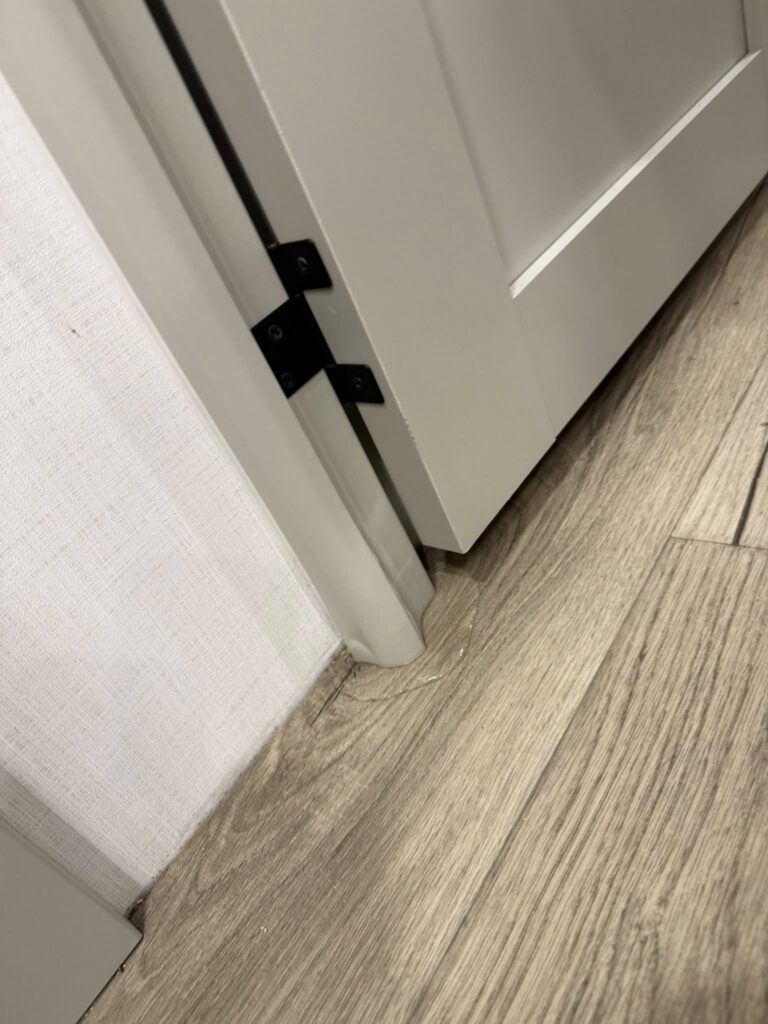
Monitor Interior Warning Signs
Watch for:
- Soft wall areas
- Ceiling ripples or waves
- Swollen trim or cabinetry
- Musty odors
- Moisture readings in flooring
A moisture meter can help detect hidden leaks early.
Warranty & Service Information
Brinkley is known for being responsive with warranty support, however:
- Some repairs may require factory service in Elkhart, Indiana
- Certain structural or wall repairs may need specialized facilities
- Preventative resealing does not void manufacturer warranty when performed professionally
Always verify service guidelines with your manufacturer or authorized facility.
What Brinkley RV Owners Should Do
If you own a Brinkley RV, we recommend:
- Performing regular inspections of all exterior sealing points
- Watching for early signs of water intrusion
- Considering preventative reseal or water deflection service
- Addressing small issues immediately before they escalate
Water intrusion is one of the most costly RV repairs—early prevention is key.
Final Thoughts from California RV Specialists
Brinkley RVs offer impressive design and modern construction methods, but like all RVs, they are still subject to real-world stress from travel, vibration, and environmental exposure.
Understanding how your sealing system works—and staying ahead of maintenance—can protect your investment for years to come.
Contact California RV Specialists
California RV Specialists
200 S Cherokee Lane
Lodi, CA 95240
Phone: 209-263-7040
Serving RV owners across Northern California including Stockton, Sacramento, Modesto, Elk Grove, Manteca, Tracy, Vacaville, and Napa.