California RV Specialists Safety Notice
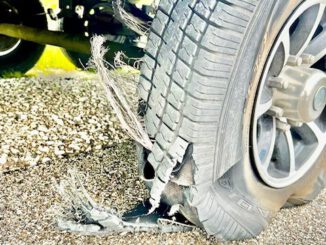
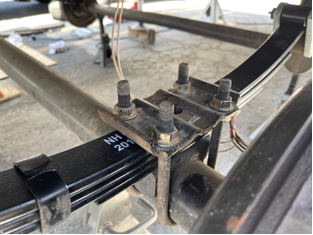
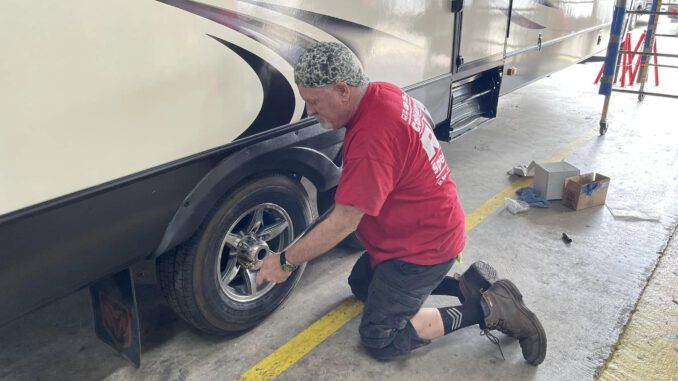
Proper wheel maintenance is one of the most critical safety steps for any RV owner, yet it is also one of the most commonly overlooked. At California RV Specialists, we regularly inspect RVs where improper lug nut torque has led to wheel damage, stud failure, and in extreme cases, near wheel separation events.
Taking a few minutes to properly torque and recheck your lug nuts can prevent catastrophic failure on the road.
Why Lug Nut Torque Matters
Your RV wheels are constantly exposed to vibration, heat cycles, road stress, load shifting, and suspension movement. Even when lug nuts are properly installed, they can loosen over time—especially during the first miles after service or tire installation.
If lug nuts are not maintained at the correct torque specification, serious issues can occur, including:
- Broken or stretched wheel studs
- Warped brake rotors or drums
- Wheel wobble or vibration
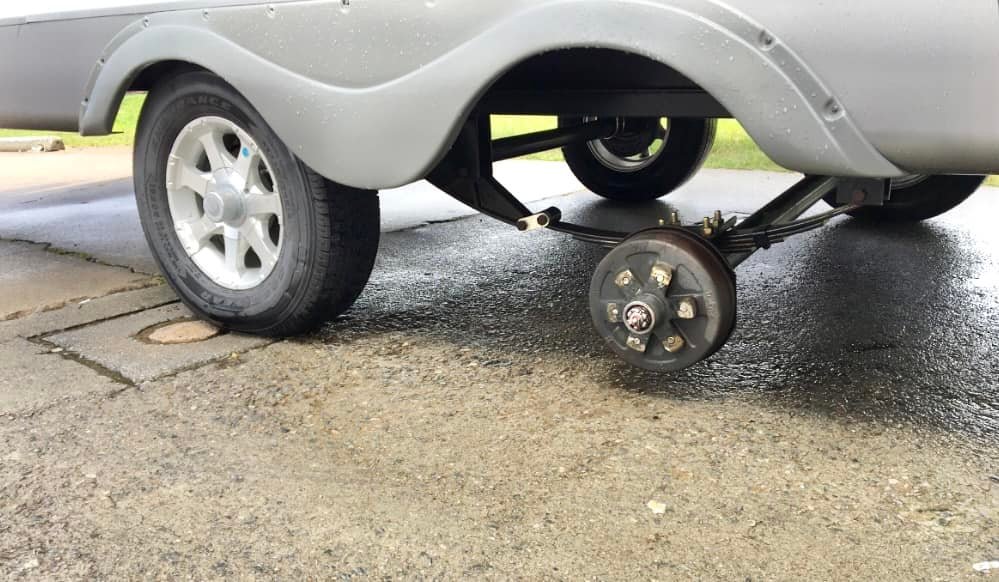
- Tire and wheel separation
- Loss of vehicle control
- Dangerous roadside failures
Wheel separation is one of the most severe and preventable RV safety hazards.
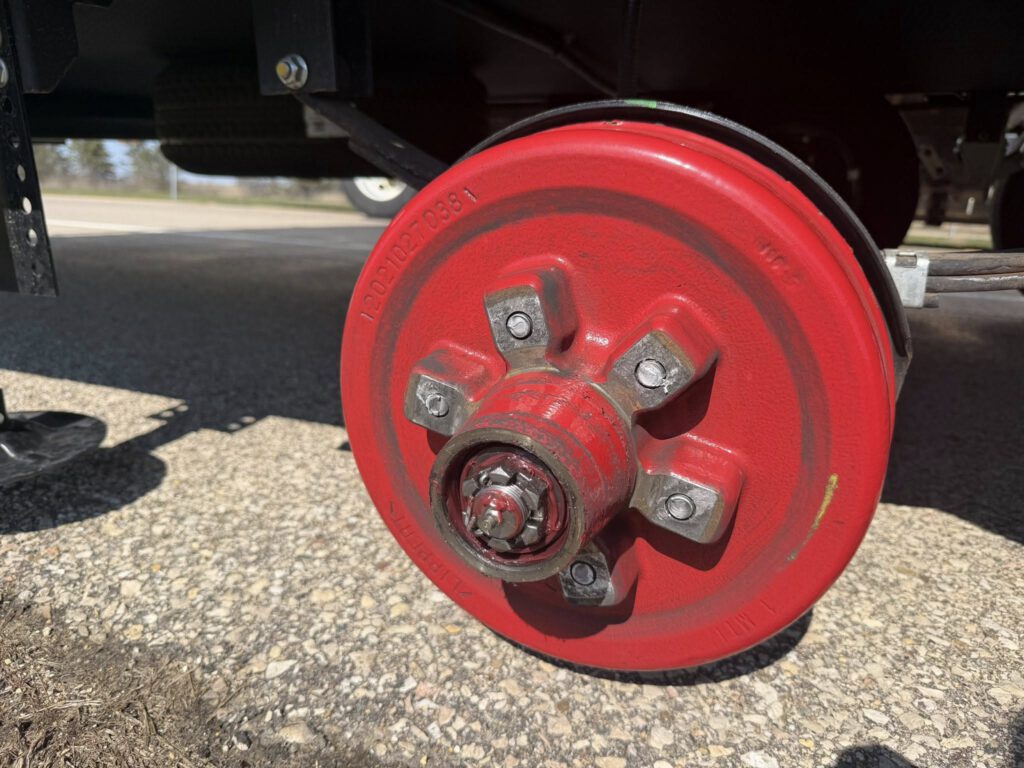
Manufacturer & Industry Safety Standards
RV manufacturers and axle suppliers, including Lippert (LCI), strongly emphasize that lug nut torque must be properly maintained to prevent wheel loss, axle damage, and serious injury or death.
Although lug nuts are torqued at the factory, they must always be rechecked after initial road use as components seat and settle under load.
Always refer to your RV’s owner’s manual or chassis label for exact torque specifications.
Typical Torque Ranges (Always Verify Your Unit)
- 1/2″ studs (most common): 90–120 ft-lbs
- 9/16″ studs: 120–130 ft-lbs
- 5/8″ studs: 150–200 ft-lbs (varies by nut type/application)
In some heavy-duty configurations: 275–325 ft-lbs
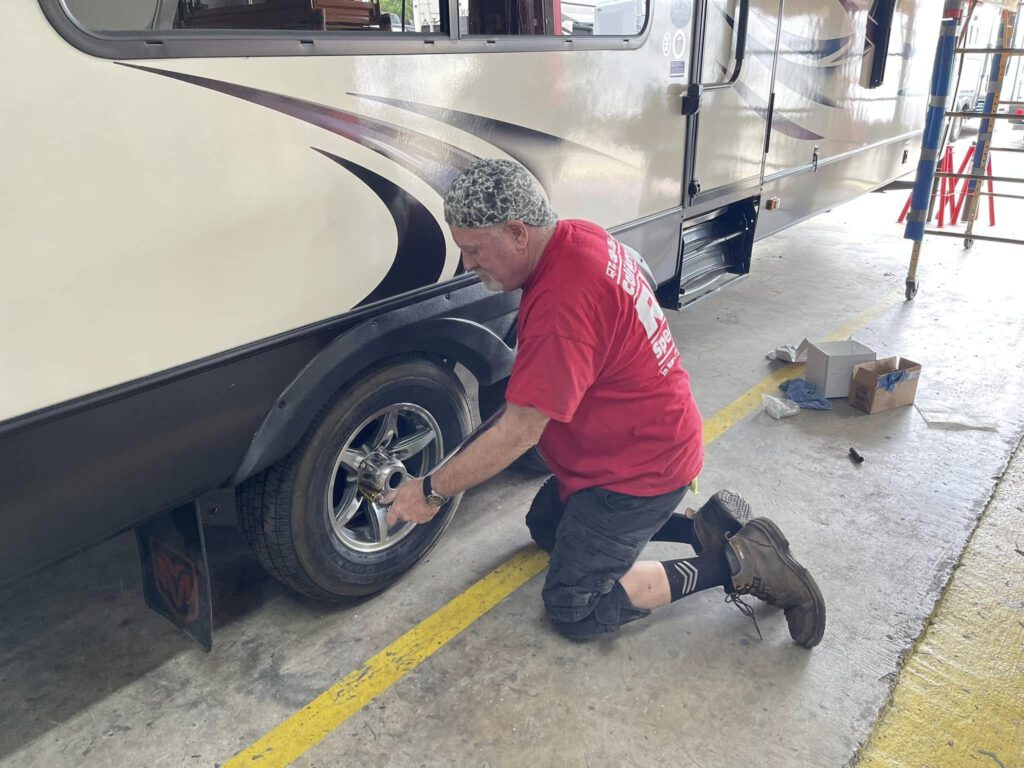
Recommended Retorque Schedule
To reduce the risk of wheel-related failures, follow this proven safety schedule:
Initial Service (Critical)
- Re-torque before first road use after tire installation or wheel removal
- Re-torque again after 10, 25, and 50 miles
Break-In Period
- Re-torque after the first 50–200 miles of travel
Ongoing Maintenance
- Check lug nut torque before every trip
- Or at minimum:
- Every 3,000 miles
- Every 3 months
- After rough roads, potholes, or heavy impacts
Proper Torque Procedure
Following the correct method is just as important as the correct torque value.
1. Use a Calibrated Torque Wrench
Never rely on an impact gun for final tightening. Always use a properly calibrated torque wrench.
2. Clean & Dry Threads
Lug nuts should be clean and dry unless otherwise specified by the wheel manufacturer. Do not use grease or anti-seize unless directed.
3. Tighten in a Star Pattern
Always tighten lug nuts in a criss-cross (star) pattern to ensure even seating and prevent wheel distortion.
4. Torque in Stages
For best results and proper seating:
- Stage 1: 20–25 ft-lbs
- Stage 2: 50–60 ft-lbs
- Stage 3: Final manufacturer torque specification
Safety Warning
Failure to properly torque and recheck RV lug nuts can result in wheel separation, property damage, serious injury, or death. This is a fully preventable maintenance issue that only takes minutes to verify.
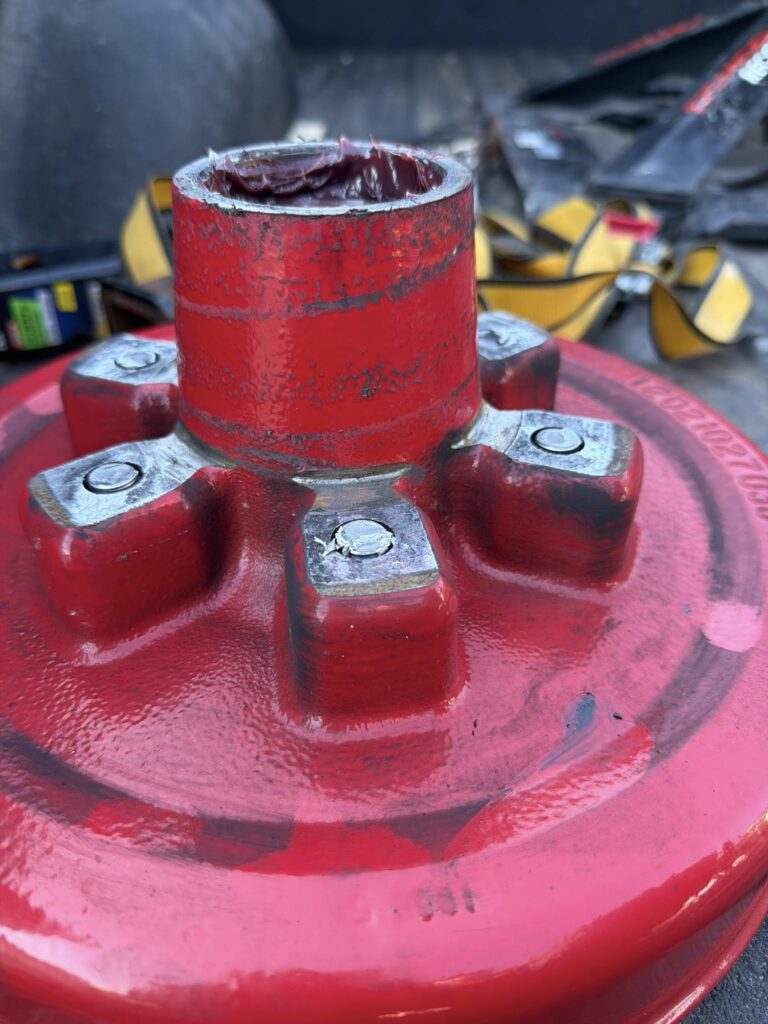
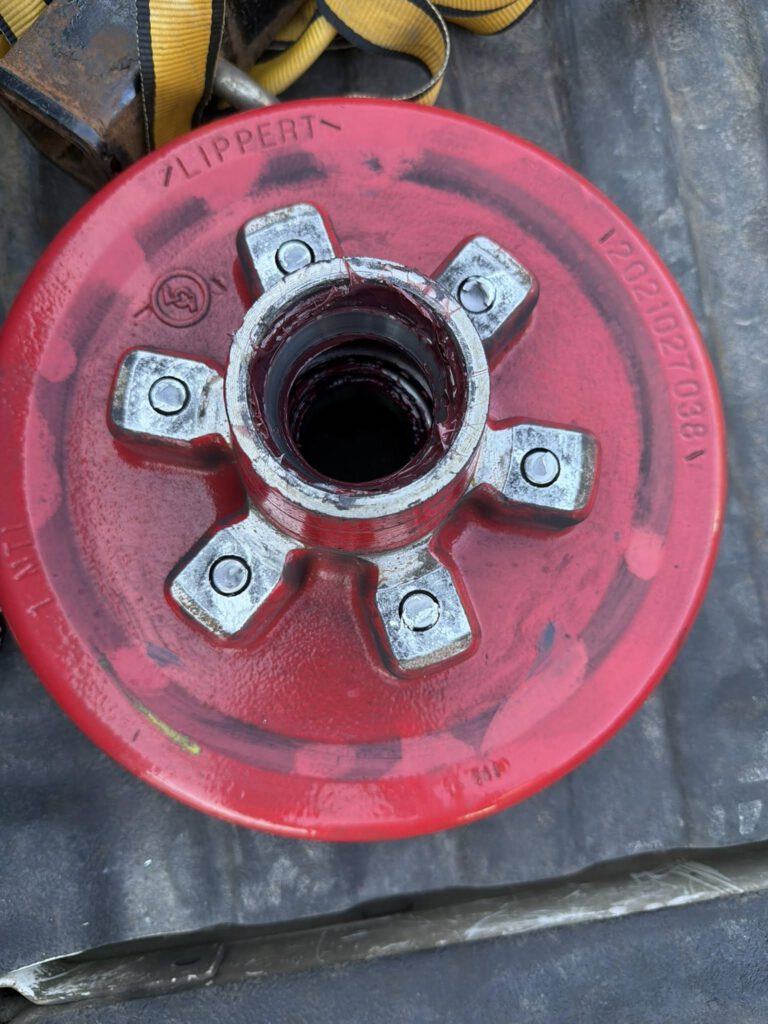
Final Reminder from California RV Specialists
Wheel safety is not optional—it is essential.
At California RV Specialists, we strongly recommend every RV owner make lug nut torque checks part of their routine pre-trip inspection. This simple step protects your RV, your passengers, and everyone on the road.
Always torque correctly. Always recheck. Always travel safe.
Tools
- 1/2-inch Drive Click Torque Wrench, 10-150 ft.
- 1/2-Inch Drive 6-Point Impact Flip Socket Set
- 1/2-Inch Drive Metric 6-Point Thin Wall Impact Flip Socket and Knockout Bar Set with Half Sizes
- 1/2 inch Drive Impact Lug Nut Socket Set, 15 17 19 21 22 MM Non-Marring Thin Wall
- Compressor Pump for Car, Heavy Duty Portable Tire Inflator 150PSI with LED Work Lights for Auto,Truck, SUV, RV
- 12V 12′ Foot Heavy Duty Extension Cord with Cigarette Lighter Plug Socket
- Heavy Duty Tire Repair Kit for Car, Truck, RV, SUV, Trailer. Flat Tire Puncture Repair Kit
- Digital Tire Pressure Gauge
More from Dustin
Read more of Dustin’s articles here.
Dustin owns and operates California RV Specialists, an independent RV repair shop located in Lodi, CA. He thrives on sharing his knowledge and enthusiasm of RV repair and maintenance with his team, customers, and virtual friends.