By California RV Specialists
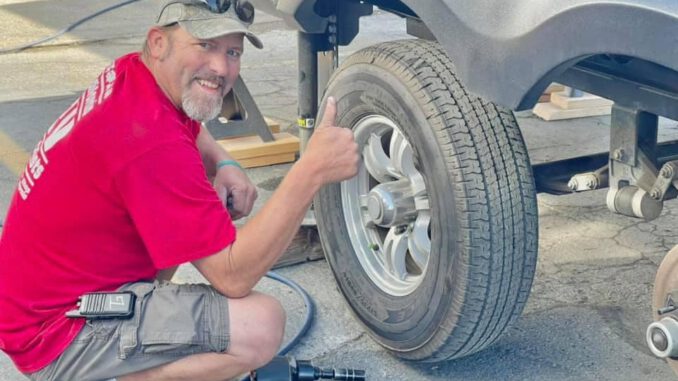
At California RV Specialists, your safety on the road is our top priority. After performing a wheel bearing service that includes removing, cleaning, and adjusting your trailer brake assemblies, it’s completely normal to notice a slight change in braking performance at first.
This is part of a normal and expected break-in (re-seating) period.
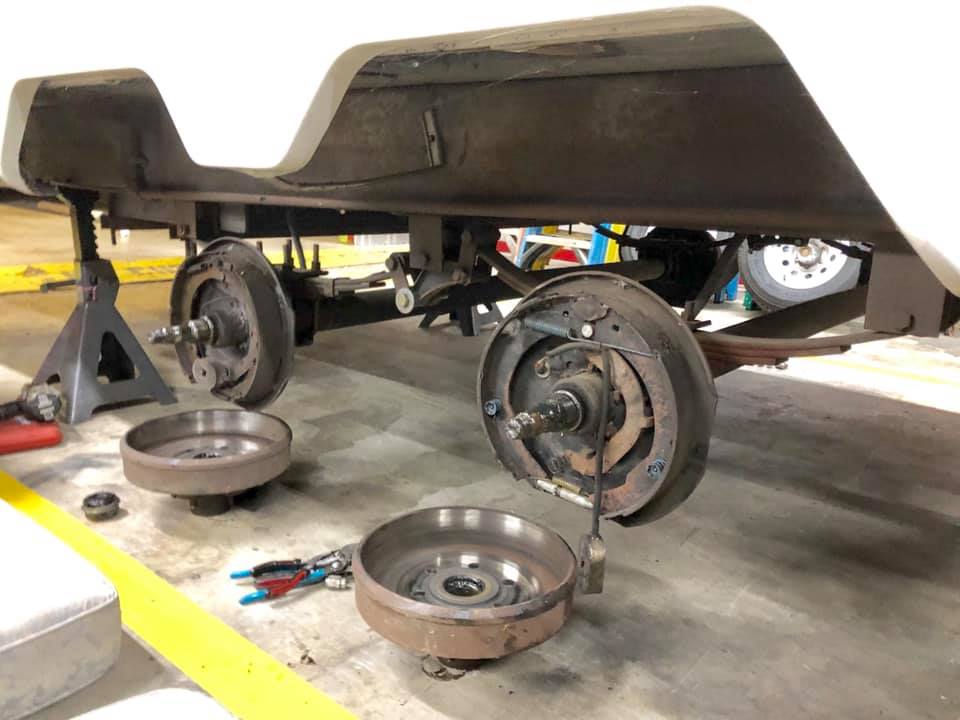
Why Your RV Brakes May Feel Different at First
During a typical brake and bearing service, our technicians:
- Remove and clean the brake drums
- Inspect brake shoes and hardware
- Repack wheel bearings
- Reset brake adjustments to proper specifications
- Remove built-up dust, debris, and glazing
Even when everything is adjusted correctly, the brake shoes and drums must re-seat to each other after being disturbed during service.
Normal Break-In Period
After service, your RV’s electric drum brakes may need:
- 50–200 miles of normal driving to fully re-seat
- Gradual improvement in braking performance
- Time for surfaces to evenly mate and transfer friction
During this period, it is normal to experience slightly reduced braking effectiveness.
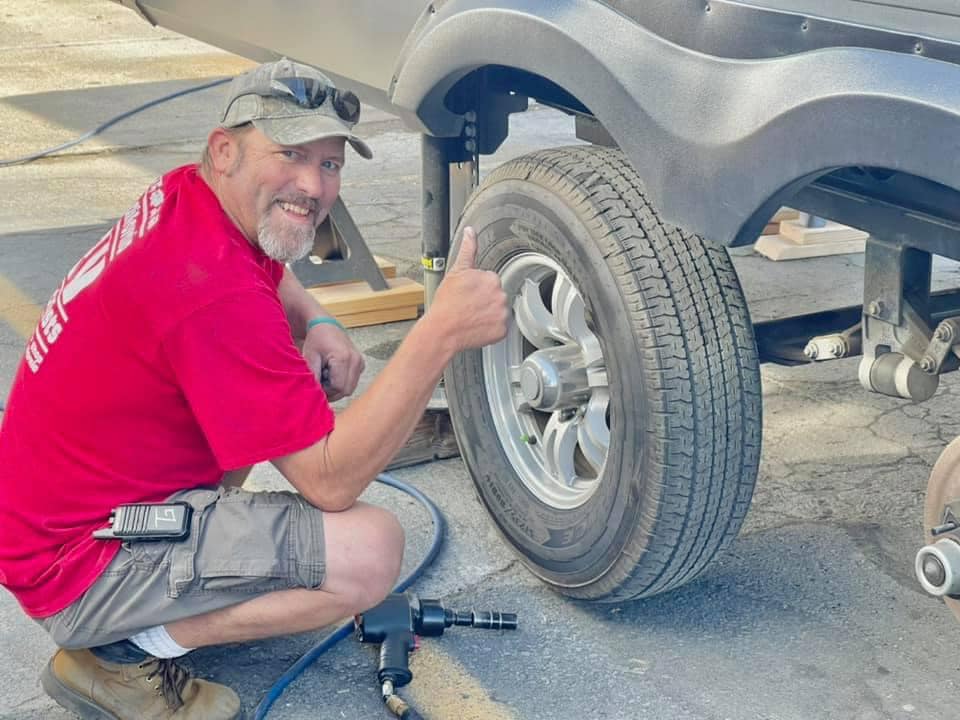
Self-Adjusting Brakes: What to Know
If your RV is equipped with self-adjusting electric brakes, they will continue to fine-tune themselves as you drive.
- Adjustments occur during normal braking events
- Proper clearance is achieved gradually over multiple stops
- Full optimization may take several trips
This is why braking performance improves over time after service.
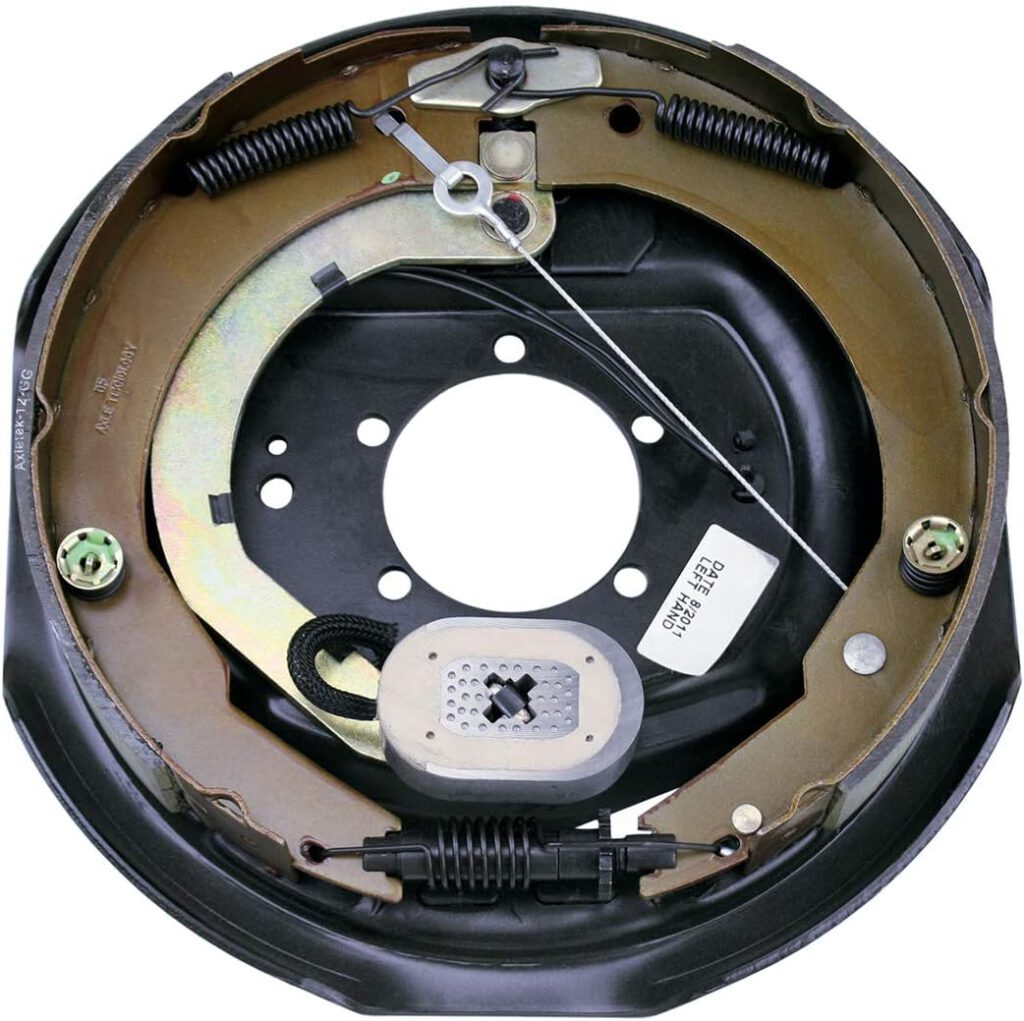
What You May Notice
During the initial break-in period, customers may notice:
- Slightly softer or less aggressive braking
- Increased stopping distance (temporarily)
- Smoother braking feel as components settle in
- Need for minor brake controller adjustment
These are all normal and expected.
Brake Controller (Gain) Adjustment
After service, your brake controller may need slight adjustment to match the freshly serviced brakes.
We recommend:
- Start with your previous gain setting
- Test braking at low speeds (20–25 mph in a safe area)
- Adjust gradually:
- Increase gain if braking feels weak
- Decrease gain if braking feels too aggressive
Pro Tip:
You may need to fine-tune your settings again after the break-in period as braking performance improves.
Best Practices After Service
To help your brakes break in properly:
- Allow extra following distance
- Avoid aggressive or hard braking when possible
- Perform smooth, steady stops
- Drive normally to allow self-adjusters to function
- Recheck brake controller settings after your first few trips
When to Contact California RV Specialists
While a short adjustment period is normal, please reach out to us if you experience:
- No improvement after approximately 200 miles
- Uneven braking or pulling to one side
- Unusual noises (grinding, clunking, or squealing)
- Excessive heat or burning smell
- Inability to properly adjust your brake controller
Our Commitment to Your Safety
At California RV Specialists, we take pride in performing thorough, professional brake and bearing services to ensure your RV is road-ready and safe.
A brief break-in period is simply part of the process—and a sign that your system has been properly serviced and reset for optimal performance.
Schedule an RV Suspension Inspection
If you’re unsure about the condition of your suspension system, it’s worth having it checked before your next trip.
California RV Specialists offers professional suspension inspections and repairs to help keep your RV safe and road-ready.
California RV Specialists
200 S Cherokee Lane
Lodi, CA 95240
Phone: (209) 263-7040
Email: service@calrvspecialists.com
Contact us today for expert RV suspension service and repairs.