
Want to spend more time camping off-grid without constantly relying on your RV generator?
RV solar power systems have become a popular upgrade for motorhome, fifth wheel, travel trailer, and toy hauler owners who want greater energy independence while traveling.
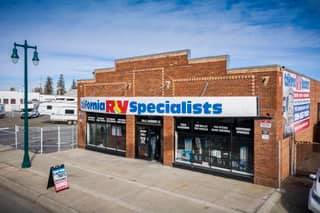
At California RV Specialists in Lodi, California, we provide professional RV solar panel installations, inverter upgrades, lithium battery systems, and customized off-grid power solutions.
Whether you’re looking for a small solar charging system or a complete electrical upgrade, understanding how the different components work together is important before investing in equipment.
How Does an RV Solar Power System Work?
An RV solar system uses roof-mounted or portable solar panels to capture sunlight and convert it into electrical energy.
The electricity travels through a solar charge controller, which regulates charging to the RV’s battery bank. Stored battery power can then operate compatible 12-volt electrical components.
When an inverter is installed, battery power can also be converted into 120-volt AC electricity for selected household-style appliances and outlets.
A complete RV solar and off-grid power system may include:
- Solar Panels: Capture sunlight and generate electrical power.
- Solar Charge Controller: Regulates charging and helps protect the batteries.
- Lithium or AGM Batteries: Store electrical energy for use when sunlight is unavailable.
- Inverter or Inverter/Charger: Converts battery power into AC electricity for compatible appliances.
- Battery Monitoring System: Helps track battery capacity, charging, and power consumption.
- Electrical Protection: Properly sized wiring, fuses, circuit breakers, disconnects, and other safety components.
The size and configuration of these components depend on how much electricity you use and how long you want to camp without shore power.
Benefits of Installing Solar Panels on Your RV
There are several reasons RV owners choose to upgrade their electrical systems.
- Extended Off-Grid Camping: Helps replenish battery power while camping away from electrical hookups.
- Reduced Generator Usage: Can reduce generator run time and fuel consumption.
- Quieter Camping: Enjoy more time without generator noise.
- Battery Charging: Helps maintain battery charge when adequate sunlight is available.
- Travel Convenience: Provides additional charging capability during daytime stops and extended trips.
- Expandable Systems: Many installations can be designed to accommodate future upgrades.
Solar panels don’t eliminate the need for proper battery storage or power management, but they can make a significant difference in your RV’s off-grid capabilities.
RV Lithium Battery Upgrades – Are They Worth It?
One of the most common upgrades paired with RV solar installations is replacing traditional lead-acid batteries with lithium iron phosphate (LiFePO4) batteries.
Lithium batteries generally provide more usable capacity, lower weight, and longer cycle life than comparable traditional lead-acid battery systems.
They can also support higher discharge rates, depending on the battery’s specifications and battery management system.
However, switching to lithium batteries isn’t always as simple as removing the old batteries and installing new ones.
Your RV’s converter, inverter/charger, solar charge controller, battery wiring, and charging system must be evaluated for compatibility.
Cold-weather charging protection and proper battery mounting are also important considerations.
At California RV Specialists, we work with established RV electrical equipment manufacturers and can help evaluate compatible battery and charging system upgrades.


What Does an RV Inverter Do?
An RV inverter converts DC battery power into AC electricity, allowing certain household appliances to operate without shore power or a running generator.
Depending on the inverter size, battery capacity, and electrical system design, an inverter may power:
- Televisions and entertainment equipment.
- Laptop computers and device chargers.
- Selected kitchen appliances.
- Certain residential refrigerators.
- Designated RV electrical outlets.
- Other compatible electrical loads.
Larger appliances, such as air conditioners and microwave ovens, can require substantial battery capacity and high-output inverter systems.
A 3,000-watt inverter doesn’t automatically mean your RV can operate every appliance at the same time. The battery bank, wiring, inverter ratings, and available stored energy must all support the electrical demand.
How Much Solar Power Does Your RV Need?
Every RV owner uses electricity differently.
Someone who camps primarily at full-hookup RV parks may need only a modest solar charging system, while an owner who frequently boondocks may benefit from a larger installation.
Common system sizes include:
400-Watt Solar System: May be suitable for modest daytime charging needs, depending on battery capacity and electrical consumption.
800-Watt Solar System: Can provide additional charging capability for RV owners who spend more time camping without electrical hookups.
1,200-Watt or Larger Solar System: May be appropriate for higher electrical demands, larger battery banks, and more extensive off-grid use.
These are examples, not guarantees of daily energy production. Actual performance depends on weather, season, shading, roof layout, panel orientation, and other conditions.
Before selecting a system, consider how much electricity you consume daily, which appliances you want to operate, and how many days you plan to camp without hookups.
Why Professional RV Solar Installation Matters
Installing solar panels and inverter equipment involves more than attaching panels to the roof and connecting wires to a battery.
Proper installation requires consideration of roof construction, mounting methods, waterproofing, electrical protection, cable routing, battery placement, ventilation where applicable, and component compatibility.
Improperly sized wiring or inadequate circuit protection can create overheating and fire hazards.
Roof penetrations and mounting locations must also be properly sealed to help prevent water intrusion.
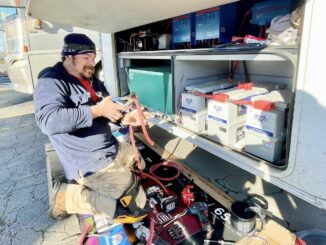
At California RV Specialists, our technicians evaluate the RV’s existing electrical system and the proposed equipment to help create a practical installation plan.
Depending on the project, upgrades may include new charging equipment, battery monitoring, electrical distribution modifications, and additional safety components.
Can You Run Your RV Air Conditioner on Solar Power?
This is one of the most common questions RV owners ask.
The answer is that some RV air conditioners can operate from a properly designed inverter and battery system, but doing so requires substantial stored energy and electrical capacity.
Solar panels primarily replenish the batteries during daylight hours. The inverter and battery bank must be capable of supporting the air conditioner’s starting and running demands.
A soft-start device may help reduce compressor startup demand, but it doesn’t eliminate the electrical energy required to operate the air conditioner.
For RV owners interested in running air conditioning while off-grid, a detailed electrical load calculation is especially important.
Choosing the Right Off-Grid Power System
Before investing in RV solar equipment, determine what you want your system to accomplish.
Do you simply want to maintain your batteries during storage? Are you trying to operate a residential refrigerator overnight? Or do you want to spend several days camping without shore power?
Each situation requires a different approach.
A properly designed system balances solar charging capacity, battery storage, inverter output, and overall electrical consumption.
The best RV solar system isn’t necessarily the largest or most expensive system. It’s the one designed around how you actually use your RV.
Schedule Your RV Solar & Inverter Consultation
At California RV Specialists, we’ve been helping RV owners maintain, repair, and upgrade their recreational vehicles since 2003.
Whether you’re interested in adding solar panels, upgrading to lithium batteries, installing an inverter, or building a complete off-grid power system, our team can help evaluate your options.
Enjoy greater freedom, quieter camping, and more flexibility on your next RV adventure!
Contact California RV Specialists to discuss your RV solar and inverter installation needs.
Contact California RV Specialists
California RV Specialists – Independent RV Service & Repair Facility
Address:
200 S. Cherokee Lane
Lodi, CA 95240
Phone: (209) 263-7040
Email: service@calrvspecialists.com
Website: www.calrvspecialists.com
Business Hours:
Monday – Friday: 8:00 AM – 4:00 PM
Closed for Lunch: 12:00 PM – 1:00 PM
Saturday & Sunday: Closed
Serving RV Owners Since 2003
Proudly serving RV owners throughout Lodi, Stockton, Galt, Elk Grove, Sacramento, Modesto, and surrounding Northern California communities.
We Don’t Sell RVs – We Repair the RV You Own!
Contact us to schedule an appointment at California RV Specialists PH:209-263-7040
More from Dustin
Make sure you check out my website, California RV Specialists, and our YouTube channel for more helpful information, and see our published articles on RVtravel.com and other social media pages.