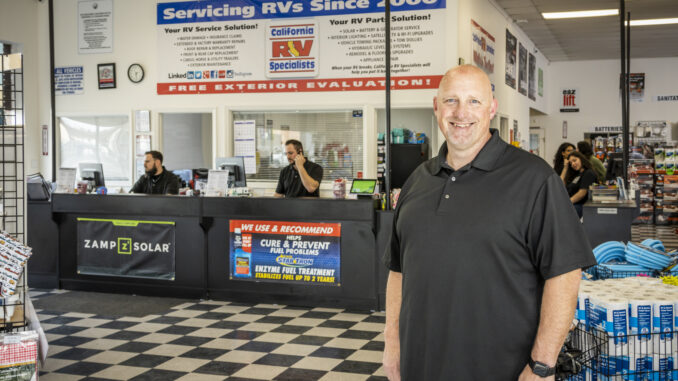
Choosing the right RV repair shop can be just as important as choosing the right RV.
Whether you need routine maintenance, electrical diagnostics, roof repairs, suspension work, appliance service, a slide-out repair, or a major upgrade, you are trusting someone with an RV that may represent a significant investment for your family.
Not every RV repair facility operates the same way. Price is certainly important, but the lowest labor rate or cheapest estimate doesn’t necessarily mean the lowest overall repair cost. Proper diagnosis, quality workmanship, communication, documentation, and experience can make a significant difference.
At California RV Specialists, we believe RV owners should know what to look for when choosing a repair facility—even if they don’t choose us.
Here are 15 things we recommend considering before handing over the keys to your RV.
1. Experience With RVs
RVs are different from automobiles and residential homes. They combine 12-volt DC electrical, 120-volt AC electrical, propane, plumbing, appliances, generators, slide-outs, leveling systems, roofs, structural components, suspension systems and many other systems into one vehicle.
Ask how long the business has been repairing RVs and what types of RVs its technicians regularly work on.
Experience doesn’t mean a technician has seen every possible problem. It means the shop should understand how RV systems interact and know how to properly approach diagnosis and repair.
2. A Good Reputation
Before scheduling an appointment, do some research.
Look at Google reviews, Facebook recommendations, RV owner groups and other online sources. Don’t focus only on the star rating. Read what customers actually say.
Look for repeated comments about:
Quality of work • Communication • Honesty • Pricing • Scheduling • Customer service • Problem resolution
No established repair business will make every customer happy all the time. What’s more important is identifying patterns and seeing how the business handles concerns when they arise.
3. Proper Diagnosis Before Replacing Parts
One of the most important things an RV repair shop can do is diagnose the problem before simply replacing components.
For example, an RV refrigerator that isn’t cooling doesn’t automatically need a refrigerator. A slide-out that won’t move doesn’t necessarily need a motor. A battery that keeps going dead doesn’t automatically mean the battery is bad.
The failed component may only be the symptom.
A qualified technician should work toward determining what failed and why it failed whenever possible.
Proper diagnosis can prevent unnecessary parts replacement and repeat repairs.
4. Clear Communication
You shouldn’t have to wonder what is happening with your RV.
A professional service department should be able to explain:
- What the technician found
- What repairs are recommended
- What the repair is expected to cost
- Whether additional authorization is needed
- Whether parts must be ordered
- What additional concerns were discovered
RV repairs sometimes uncover additional problems once components are removed or systems are tested. Good communication becomes especially important when that happens.
5. Upfront Pricing and Authorization
Ask about the shop’s labor rate, diagnostic charges, inspection fees and authorization process before work begins.
You should understand what you’re approving.
Sometimes an exact repair cost cannot be determined until diagnosis or disassembly is completed. That’s normal with certain repairs. However, the shop should have a process for contacting you before substantially expanding the authorized work.
Good service isn’t about making every repair inexpensive. It’s about making sure the customer understands what they’re paying for.
6. Quality Workmanship
A repair should do more than make the immediate symptom disappear.
Look at examples of the shop’s work when available.
How are wires routed? Are plumbing lines secured? Are sealants applied correctly? Is hardware properly installed? Are repairs clean and professional?
Small details often tell you a lot about a shop’s workmanship.
7. Photos and Documentation
We believe this is especially important in RV repair.
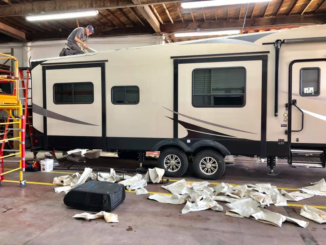
Customers can’t always crawl underneath their fifth wheel, climb onto the roof, inspect behind an appliance, or see inside a wall.
Photos can show you exactly what the technician found.
A shop that documents repairs with before, during and after photos can help you better understand the condition of your RV and the work being performed.
Documentation can also be valuable for manufacturer warranty claims, extended-service contracts, insurance repairs and future maintenance.
8. A Clean and Organized Facility
Take a look around when you visit an RV repair shop.
A working repair facility isn’t going to look like a showroom every minute of the day, but there should still be organization.
Look at the:
Service bays • Parts department • Customer counter • Equipment • Outside storage area • General condition of the property
Organization matters because technicians shouldn’t spend valuable repair time searching for tools, parts, keys or paperwork.
9. Security for Your RV
Some RVs remain at a repair facility for days or longer depending on the repair and parts availability.
Ask how customer RVs are protected.
Consider things such as gated storage, security cameras, lighting, controlled access and procedures for handling customer keys.
Today’s RVs can represent a substantial investment. It’s reasonable to ask how your property will be cared for while it is at the facility.
10. Technicians With the Right Tools and Equipment
Modern RV diagnosis and repair can require specialized equipment.
Depending on the work being performed, that may include electrical diagnostic equipment, pressure-testing equipment, lifts, torque tools, welding and fabrication equipment, hydraulic tools, battery-system equipment and manufacturer-specific information.
Tools don’t replace knowledge—but knowledge combined with the proper equipment can make a major difference.
11. Experience With Your Type of Repair
A great RV shop doesn’t necessarily perform every type of repair.
In fact, we believe one sign of a trustworthy shop is knowing what it does and doesn’t specialize in.
If you’re looking for suspension work, ask about suspension experience. If you’re considering solar and lithium batteries, ask about electrical-system experience. If you have water intrusion, ask about roof and body-seal repairs.
A shop should be willing to tell you when a repair falls outside its expertise.
Sometimes the best advice a repair facility can give you is:
“That’s not what we specialize in, and here’s the type of shop you should contact.”
12. Quality Parts and Repair Options
Not every replacement part or upgrade is equal.
Ask what products the shop recommends and why.
A good repair facility should be able to discuss the differences between available products and help you select an option appropriate for your RV, how you use it and your budget.
The most expensive component isn’t automatically the best choice for every owner, and the cheapest component isn’t necessarily the best value.
13. Preventive Maintenance Knowledge
A good RV repair shop shouldn’t only be there when something breaks.
Preventive maintenance can help identify developing problems before they turn into expensive failures or roadside breakdowns.
Depending on the RV, that may include inspecting:
Roof and body sealants • Wheel bearings • Brakes • Suspension • Tires • Batteries • Appliances • Plumbing • Slide-outs • Awnings • Electrical systems
An experienced shop should be able to help you understand what needs maintenance and approximately when it should be inspected again.
14. Warranty, Recall and Insurance Experience
If your repair involves a manufacturer warranty, safety recall, extended-service contract or insurance claim, ask whether the shop has experience handling that type of work.
These repairs can involve additional documentation, photographs, authorization, parts requirements and claim procedures.
Remember that warranty and recall eligibility is ultimately determined by the manufacturer or applicable warranty provider—not simply by the repair shop.
15. A Shop Interested in a Long-Term Relationship
Perhaps the most important question is:
Would you feel comfortable bringing your RV back to this shop next year?
Many RV owners aren’t simply looking for someone to fix one problem. They’re looking for a facility they can trust for years.
A good relationship allows the shop to become familiar with your RV, its maintenance history, previous repairs and upgrades.
Over time, that can make maintaining your RV easier for both you and the repair facility.
Don’t Choose an RV Repair Shop Based on Price Alone
Price matters. But it shouldn’t be the only factor.
A lower labor rate doesn’t necessarily save money if diagnosis takes longer, incorrect parts are installed, repairs have to be repeated, or another facility has to correct the original work.
At the same time, a higher labor rate doesn’t automatically guarantee better work.
Instead, look at the complete picture:
Experience • Reputation • Diagnosis • Communication • Documentation • Workmanship • Facility • Security • Equipment • Parts • Maintenance Knowledge • Customer Service
Then choose the repair facility that gives you confidence in how your RV will be handled.
Why California RV Specialists?
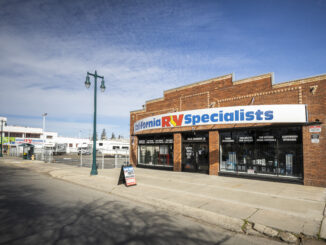
At California RV Specialists LLC, we’ve been serving the RV community in Lodi, California since 2003.
We’re an independent RV repair, service, maintenance and upgrade facility—not an RV dealership.
That distinction is important to us.
We don’t sell RVs. We repair, maintain and upgrade the RV you already own.
Our goal is to educate our customers, document what we find, explain available repair options and help RV owners make informed decisions about their RVs.
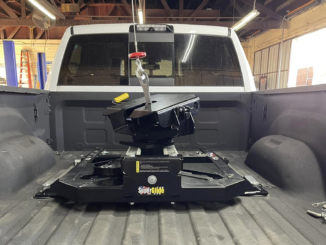
From routine maintenance and inspections to electrical, plumbing, appliances, roofs, slide-outs, suspension, brakes, towing equipment, solar, batteries and major upgrades, our focus is keeping the RV you already own maintained and road-ready.

Looking for an RV Repair Shop in Northern California?
California RV Specialists LLC
200 S. Cherokee Lane
Lodi, CA 95240
209-263-7040
service@calrvspecialists.com
Serving RV owners throughout Lodi, Stockton, Galt, Elk Grove, Sacramento, Manteca, Modesto, Tracy and surrounding Northern California communities.