
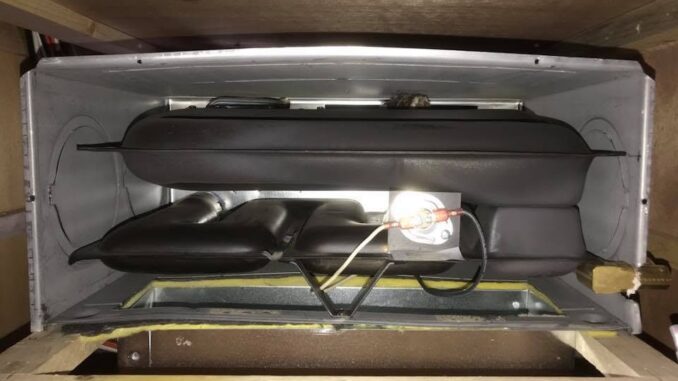
When your RV is parked for the winter, you may think it is safely tucked away. You may assume it remains unused until the next camping season. Unfortunately, mice in RV may see your stored RV as a warm, protected place to spend the winter.
RVs have many small openings for plumbing, wiring, appliances, and other components.
If those areas aren’t properly sealed or maintained, they can provide a path for mice in RV.
How Do Mice Get Into an RV?
Mice in RV can squeeze through surprisingly small openings. Start by inspecting areas where components pass through the floor, walls and underbelly.
Common areas to check include potential nesting spots where mice in RV may enter.
- Plumbing and drain line openings
- Wiring and electrical penetrations
- Openings in the RV underbelly
- Storage compartments
- Appliance areas and exterior access points
- Openings around pipes, hoses and cables
- Damaged or loose underbelly material
Once mice in RV enter the underbelly or a storage compartment, they may travel through hidden areas.
They may eventually reach the RV’s interior.
Look Under Your RV
Before winter storage, inspect underneath your RV for signs of mice in RV. Look for holes, gaps, damaged underbelly material, or areas where plumbing and wiring enter the coach.
Pay particular attention to areas that have been repaired or modified. A previous plumbing, electrical or appliance repair may have required access through an existing sealed area.
Check Cabinets and Compartments
When organizing, inspect cabinets and compartments for signs of mice in RV.
Inside the RV, open cabinets, drawers and storage compartments. Look around water lines, drain pipes and wiring for openings that could reveal mice in RV.
Also watch for evidence that mice in RV have visited. This may include droppings, nesting material, or chewed items.
Be Careful Around Mice in RV Appliances
Inspect exterior appliance areas. Do not simply cover every opening you find. This helps prevent mice in RV from entering.
Furnaces, water heaters, refrigerators and other propane appliances may require specific ventilation, especially to prevent mice in RV. Blocking these openings can create a safety hazard.
Use only appropriate pest screens or protection designed for the application.
Follow mice in RV guidelines along with the RV and appliance manufacturer’s recommendations.
Remove What Attracts Them
Before storing your RV, remove food, snacks and pet food, and check for signs of mice in RV. Clean floors, cabinets, drawers and other areas where crumbs may have accumulated.
Reducing food sources makes your RV less inviting to unwanted visitors.
Check for mice in RV Throughout the Winter
Don’t park your RV in the fall and forget about it until spring.
Periodically inspect the interior, exterior and storage compartments during winter. Catching signs of rodent activity early may help prevent damage to wiring, plumbing, insulation, flooring and other RV components.
Get Your RV Ready for Winter Storage
A good winter storage inspection isn’t only about winterizing the plumbing. Take time to inspect the entire RV for openings, damage and maintenance concerns before it sits unused for several months.
California RV Specialists LLC provides professional RV inspections, maintenance and repairs in Lodi, California.
200 S. Cherokee Lane, Lodi, CA 95240
209-263-7040
Before you close up your RV for winter, make sure you’re not leaving an open door for some very small unwanted guests.
