
Have you noticed water dripping from the pressure relief valve on your RV water heater? Is it normal, or does it mean something needs to be repaired?
A leaking RV water heater pressure relief valve is a common concern among motorhome, fifth wheel, and travel trailer owners. Sometimes the dripping is associated with normal thermal expansion, while other situations involve excessive water pressure, mineral buildup, or a failing valve.
At California RV Specialists in Lodi, California, we service RV water heaters and help owners diagnose water leaks, heating problems, and other appliance concerns.
Before replacing the valve, it’s important to understand why it may be leaking and what the symptoms could indicate.

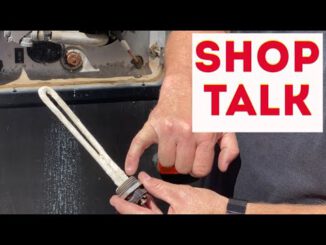
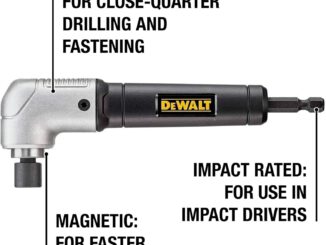
Here is the RV technician tool that we use. It is called a T&P (Pressure valve remover).

This water heater pressure relief valve replacement tool allows you to safely and quickly remove and replace the temperature/pressure valve. The tool fits most water heater brands, which include Atwood/Dometic or Suburban. It is made to use a 7/8″ socket or wrench for changing out.
Here’s more on how these work:
Do you need a new T&P valve? Make sure to measure the thread size for your replacement valve. It is offered in the following sizes:

What Does an RV Water Heater Pressure Relief Valve Do?
Traditional tank-style RV water heaters generally have a temperature-and-pressure relief valve, commonly called a T&P valve or pop-off valve.
This is an important safety component designed to relieve water if the temperature or pressure inside the tank exceeds the valve’s specified limits.
The valve helps protect the water heater from potentially dangerous conditions.
Never plug, cap, obstruct, or disable a water heater pressure relief valve.
A valve that is actively releasing very hot water or steam may indicate an unsafe condition. Shut off the water heater’s heating sources if it is safe to do so, avoid the discharge area, and have the system inspected before using it again.
Why Is My RV Water Heater Pressure Relief Valve Dripping?
There are several possible causes of water leaking from a T&P valve.
1. Thermal Expansion Inside the Water Heater
When water heats up, it expands.
Some traditional RV water heaters rely on an air pocket inside the tank to accommodate normal expansion. If that air pocket is lost, pressure may rise during heating and cause the relief valve to drip.
Depending on the water heater model, the manufacturer may provide a procedure for restoring the air pocket.
Not every dripping valve should be treated as an air-pocket issue, however. Persistent discharge needs proper diagnosis.
2. Mineral Deposits or Debris
Mineral deposits and sediment can accumulate inside a water heater over time.
Debris caught around the valve seat may prevent the valve from sealing completely.
In some cases, an older valve may continue leaking after it has opened because the internal sealing surfaces are worn or contaminated.
3. Excessive Water Pressure
High campground water pressure, a malfunctioning pressure regulator, or another plumbing pressure concern may contribute to unwanted relief valve discharge.
A properly selected RV water pressure regulator can help protect the plumbing system, but it does not correct every cause of excessive pressure.
4. A Worn or Defective Relief Valve
Like other mechanical components, pressure relief valves can deteriorate over time.
Corrosion, damaged sealing surfaces, spring problems, and age-related wear may eventually require replacement.
However, replacing the valve without checking the underlying pressure and temperature conditions may not solve the problem.
Is a Small Amount of Dripping Normal?
Occasional dripping during a heating cycle can occur on some tank-style RV water heaters because of thermal expansion.
However, a relief valve should not be assumed to be operating normally simply because the leak is small.
If water continues to drip after the heater has cooled, the discharge becomes frequent or excessive, or the valve releases water unexpectedly, further inspection is recommended.
Also, make sure the water is actually coming from the valve outlet. Leaks around threaded connections, tank fittings, or the water heater itself may appear similar.
Should You Open the Pressure Relief Valve to Stop a Leak?
Some RV owners attempt to clear a dripping relief valve by manually operating its test lever.
Although certain manufacturers describe specific inspection or maintenance procedures, opening a valve can release dangerously hot water or steam. It can also disturb sediment and leave an aging valve unable to reseal.
Do not operate the valve lever while the water heater is hot or pressurized.
Follow the instructions for your exact water heater and valve. If you’re unsure of the procedure, have a qualified RV technician inspect it rather than attempting to clear the leak yourself.
When Does an RV Water Heater Pressure Relief Valve Need Replacement?
A replacement may be necessary if the valve is damaged, corroded, leaking because of a defective seal, or failing to operate according to its specifications.
Before installing a replacement, the technician should verify the correct:
- Valve pressure and temperature ratings.
- Thread size and connection type.
- Physical configuration and clearance.
- Compatibility with the water heater manufacturer and model.
- Applicable installation and safety requirements.
RV water heater valves are not interchangeable simply because their threads look similar.
Never install a valve with an incorrect pressure or temperature rating or modify the relief outlet to stop dripping.
A Helpful RV Water Heater Tool: T&P Valve Removal Tool
One tool we use in the RV service industry is a specialized water heater pressure relief valve removal tool.
On certain RV water heaters, the valve can be difficult to access with conventional wrenches because of nearby components or limited working space.
A properly matched specialty tool may help a technician access and remove the valve without unnecessarily disturbing surrounding components.
The tool featured in our original article is designed for certain RV water heater applications and can be used with a compatible wrench or socket.
Before purchasing a tool or replacement valve, verify that it fits your particular water heater.
Recommended RV Water Heater Tools & Parts
- RV T&P Valve Removal Tool
- 1/2-Inch Temperature & Pressure Relief Valve
- 3/4-Inch Temperature & Pressure Relief Valve
IMPORTANT: Replace the three product links above with the actual affiliate URLs from your original article before publishing. The correct replacement valve must be selected by specification, not thread size alone.
Affiliate disclosure: We may earn a commission from qualifying purchases through our product links, at no additional cost to you.
Can a Leaking Relief Valve Indicate a Bigger Problem?
Yes. Sometimes the pressure relief valve is doing exactly what it was designed to do.
For example, a water heater experiencing excessive pressure or temperature may discharge water through a properly functioning safety valve.
Other possible concerns include:
- Improper water heater temperature control.
- Excessive supply pressure.
- Thermal expansion problems.
- Faulty plumbing components.
- A deteriorated water heater tank.
- A valve that is no longer sealing correctly.
Replacing the relief valve without diagnosing the system could leave the underlying problem unresolved.
Does This Apply to Tankless RV Water Heaters?
Tankless RV water heaters have different designs and maintenance requirements than traditional tank-style models.
Some have separate pressure protection components, while others use manufacturer-specific arrangements.
The diagnosis and replacement procedures for a tank-style water heater should not automatically be applied to a tankless system.
Always consult the documentation for the exact appliance model.
Preventive RV Water Heater Maintenance
Routine maintenance can help identify water heater concerns before they become major repairs.
We recommend inspecting your RV water heater according to the manufacturer’s maintenance schedule, including applicable tank flushing, anode rod inspections, burner cleaning, and checks for visible leaks.
Pay particular attention to recurring relief valve discharge, unusual heating behavior, and signs of corrosion.
For many RV owners, an annual water heater inspection is a practical part of preventive maintenance.
Professional RV Water Heater Service in Lodi, California
At California RV Specialists, we’ve been helping RV owners maintain and repair their recreational vehicles since 2003.
Our technicians can help evaluate leaking pressure relief valves, water heater plumbing connections, heating problems, and other appliance concerns.
Whether your water heater needs a replacement valve, routine maintenance, or additional troubleshooting, proper diagnosis is the first step toward a dependable repair.
Don’t ignore a leaking RV water heater pressure relief valve. What appears to be a small drip could indicate a condition that deserves professional attention.
Contact California RV Specialists to discuss your RV water heater concern or schedule an inspection.
Contact California RV Specialists
California RV Specialists – Independent RV Service & Repair Facility
Address:
200 S. Cherokee Lane
Lodi, CA 95240
Phone: (209) 263-7040
Website: www.calrvspecialists.com
Business Hours:
Monday – Friday: 8:00 AM – 4:00 PM
Closed for Lunch: 12:00 PM – 1:00 PM
Saturday & Sunday: Closed
Serving RV Owners Since 2003
Proudly serving RV owners throughout Lodi, Stockton, Galt, Elk Grove, Sacramento, Modesto, and surrounding Northern California communities.
We Don’t Sell RVs – We Repair the RV You Own!
More from Dustin
Make sure you check out my website, California RV Specialists, and our YouTube channel for more helpful information, and see our published articles on RVtravel.com and other social media pages.