RV front cap damage can be one of the most concerning problems an owner encounters. Whether the damage results from an impact, structural movement, deteriorating sealants, or another underlying condition, repairing the front of a recreational vehicle often involves more than restoring its appearance.
At California RV Specialists in Lodi, California, we’ve been servicing and repairing recreational vehicles since 2003. Our technicians regularly work on RV exterior body damage, roof repairs, deteriorating sealants, and other issues that can affect the long-term condition of a recreational vehicle.
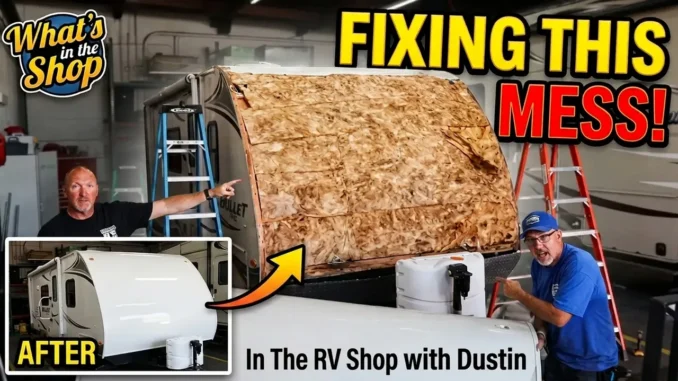
In this episode of our What’s in the Shop YouTube series, we’re taking viewers behind the scenes to look at a customer RV requiring significant front cap repair work.
Our goal with this series is to share real-world RV service experiences, explain the importance of proper inspections, and help owners better understand what goes into professional RV repairs.
What Is an RV Front Cap?
The front cap is the exterior section covering the front of many fifth wheels, travel trailers, and motorhomes.
Depending on the manufacturer and RV design, front caps may be constructed using molded fiberglass, composite materials, or other exterior panel systems.
These components help protect the front of the RV from weather exposure while providing its finished appearance.
Front caps also connect to other important areas of the RV, including:
- Roof and front cap transitions
- Sidewall seams and corner moldings
- Exterior lighting and wiring
- Front storage compartments
- Structural framing and attachment points
- Exterior sealants and weather-resistant joints
When damage occurs, multiple surrounding components may need to be inspected before repairs can begin.
What Causes Major RV Front Cap Damage?
There are several reasons an RV front cap may become damaged.
1. Accidental Impact
Low-clearance obstacles, tree branches, backing accidents, and other impacts can damage fiberglass panels, moldings, and adjoining components.
2. Water Intrusion
Deteriorating roof seams, front cap moldings, and exterior sealants can allow moisture to enter behind exterior panels.
If water intrusion continues unnoticed, hidden materials may deteriorate.
3. Structural Movement
RVs experience movement and vibration during travel.
In some cases, abnormal movement, loose attachments, or underlying structural concerns can contribute to cracking or separation.
4. Aging and Environmental Exposure
Sunlight, temperature changes, and weather conditions can contribute to deterioration of certain exterior materials and sealants.
However, the actual cause of front cap damage must be determined through inspection rather than appearance alone.
What’s in the Shop: A Real RV Front Cap Repair
In this episode of What’s in the Shop, we showcase significant exterior body repair work being performed on a customer’s recreational vehicle.
These types of projects demonstrate why professional RV repairs require careful evaluation, proper preparation, and attention to surrounding components.
Before determining the appropriate repair procedure, technicians may need to evaluate:
- The extent of visible exterior damage
- The condition of surrounding moldings and fasteners
- Roof-to-front-cap connections
- Potential hidden moisture damage
- The condition of underlying support materials
- Whether replacement components or specialized repairs are required
Not every damaged front cap requires complete replacement. Likewise, not every damaged cap can be repaired with a simple cosmetic patch.
The appropriate repair depends on the construction, damage severity, and condition of the surrounding assembly.
Watch California RV Specialists tackle a major front cap repair in our What’s in the Shop series, featuring real customer RV service work and behind-the-scenes repair insights.
Why Proper RV Body Repairs Matter
When an RV has significant exterior damage, the visible surface may be only part of the problem.
For example, a cracked exterior panel may require evaluation of the mounting structure and nearby seams.
If water intrusion is involved, technicians may need to inspect for moisture damage before closing the affected area.
A quality repair should address the conditions identified during inspection, not simply improve the appearance of the damaged section.
Depending on the project, repairs may involve fiberglass or composite work, component replacement, fastener corrections, surface preparation, finishing, and resealing.
Why RV Front Cap Sealing Is So Important
The transition between an RV’s roof and front cap is an important area for preventive maintenance.
Road vibrations, temperature changes, and normal body movement can affect exterior sealants over time.
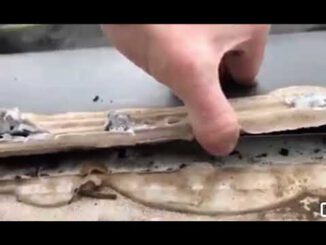
When sealants shrink, crack, or separate, water may enter beneath roof termination moldings and adjoining panels.
At California RV Specialists, we encourage owners to inspect these areas regularly and follow their manufacturer’s maintenance recommendations.
Pay particular attention to:
- Roof-to-front-cap seams
- Front corner moldings
- Exterior clearance lights
- Accessible fasteners and trim
- Cracked or separating sealants
- Visible gaps or unusual panel movement
A small opening can eventually lead to significant hidden water damage if left unaddressed.
Can RV Front Cap Damage Be Prevented?
Not every type of damage is preventable, but routine maintenance can reduce certain risks.
We recommend inspecting the roof and exterior body approximately every three months as a general preventive practice, or according to the manufacturer’s specified schedule.
Additional inspections are advisable after storms, impacts, long trips, and extended storage.
Owners should also pay attention to unusual cracking, changes in panel alignment, or separation around exterior moldings.
These conditions do not always indicate a structural failure, but they deserve proper evaluation.
Professional RV Body Repairs in Lodi, California
California RV Specialists is an independent RV repair facility serving recreational vehicle owners since 2003.
We provide specialized services for travel trailers, fifth wheels, motorhomes, and other eligible recreational vehicles.
Our services include:
- RV exterior body and fiberglass repairs
- RV front cap and exterior molding repairs
- RV roof inspections, repairs, resealing, and coatings
- Complete exterior body resealing
- RV water intrusion inspections and related repairs
- Slide-out maintenance and repairs
- Wheel bearing and brake services
- Suspension upgrades
- Manufacturer warranty repairs for participating brands
We also offer free RV roof and exterior body inspections to help owners identify potential maintenance concerns.
Our Lodi facility serves customers throughout Stockton, Sacramento, Modesto, Elk Grove, Galt, and surrounding Northern California communities.
Watch More Episodes of What’s in the Shop
Our What’s in the Shop video series gives RV owners an inside look at real service projects, repair techniques, maintenance concerns, and products used in the RV industry.
We believe that sharing real-world repair experiences helps owners better understand their RVs and make informed maintenance decisions.
You can explore additional videos through our YouTube content and visit our website to learn more about RV maintenance, repairs, and available parts.
Schedule an RV Inspection or Repair
If your RV has exterior body damage, front cap cracking, deteriorating sealants, or possible water intrusion, contact our team to discuss an inspection.
California RV Specialists
200 S. Cherokee Lane
Lodi, CA 95240
Business Hours: Monday–Friday, 8:00 AM–4:00 PM
Closed for lunch: 12:00 PM–1:00 PM
Website: https://www.calrvspecialists.com/
Free Inspections: RV roof and exterior body inspections, slide-out inspections, and fifth-wheel hitch inspections.
Please contact our office to schedule an appointment. We operate as a drop-off repair facility and do not provide mobile RV service.
The bottom line: Significant RV front cap damage requires more than a cosmetic repair. Proper inspection, evaluation of surrounding components, and attention to sealing and structural conditions are essential for restoring the affected area and helping protect the RV from future problems.